Buying a place in Spain sounds pretty great, right? Sunshine, beaches, the whole deal. But before you start dreaming about tapas on your new patio, you’ve got to deal with the paperwork. And in Spain, that means taxes. It’s not always straightforward, and there are different rules depending on where you buy and if it’s a new place or a resale. This guide is here to break down the tax on property purchase in Spain so you know what you’re getting into.
Key Takeaways
- When buying property in Spain, expect to pay taxes like Transfer Tax (ITP) for used homes or Value Added Tax (VAT) plus Stamp Duty (AJD) for new builds.
- The specific tax rates can change quite a bit because each region in Spain has its own rules.
- Beyond the main purchase taxes, factor in costs for notaries, land registry, and legal help.
- If you’re not a Spanish resident, there are extra tax considerations, including imputed income tax.
- Paying your taxes on time is super important to avoid penalties, interest, and potential legal trouble.
Understanding the Tax on Property Purchase in Spain
Buying property in Spain is a big step, and it comes with its own set of taxes. It’s not just the price tag you see; there are other costs involved that can add up. Knowing these taxes upfront is key to budgeting correctly and avoiding any nasty surprises down the line. Think of it like planning a trip – you wouldn’t just budget for the flight, right? You’d factor in accommodation, food, and activities too. Property purchase taxes in Spain work similarly.
Key Taxes for Property Buyers
When you buy a property in Spain, you’ll primarily encounter a few main taxes. These are the ones that directly relate to the act of purchasing the property itself. The total cost of taxes and associated fees can often range from 8% to 13% of the property’s price, so it’s a significant amount to consider.
- Impuesto sobre Transmisiones Patrimoniales (ITP): This is the transfer tax, usually for resale properties.
- Value Added Tax (IVA): This is the VAT, typically applied to new builds.
- Actos Jurídicos Documentados (AJD): Often called stamp duty, this applies in specific situations, often alongside VAT.
Factors Influencing Your Tax Liability
Your tax bill isn’t a one-size-fits-all situation. Several things can change the amount you end up paying. It’s good to be aware of these so you can get a clearer picture of your potential costs.
- Property Value: Naturally, a more expensive property will generally mean higher taxes.
- Location: Taxes can differ quite a bit depending on which autonomous community (region) in Spain the property is located in. Some regions have higher rates than others.
- Residency Status: Whether you’re a Spanish resident or a non-resident can affect certain tax implications, though the main purchase taxes are often similar.
The Spanish tax system can seem a bit complicated at first glance, especially with regional differences. It’s always wise to get a clear understanding of what applies to your specific purchase before you commit.
The Role of Residency Status
While the primary taxes like ITP and IVA are largely the same whether you’re a resident or not, your residency status becomes more important when considering other ongoing taxes or specific tax benefits. For instance, non-residents might face different rules regarding imputed income tax if they don’t rent out their property. Understanding this distinction early on can help you plan your finances and compliance strategy more effectively. For more details on how these factors play out, you might want to look into non-resident tax implications.
Navigating Transfer Tax and VAT
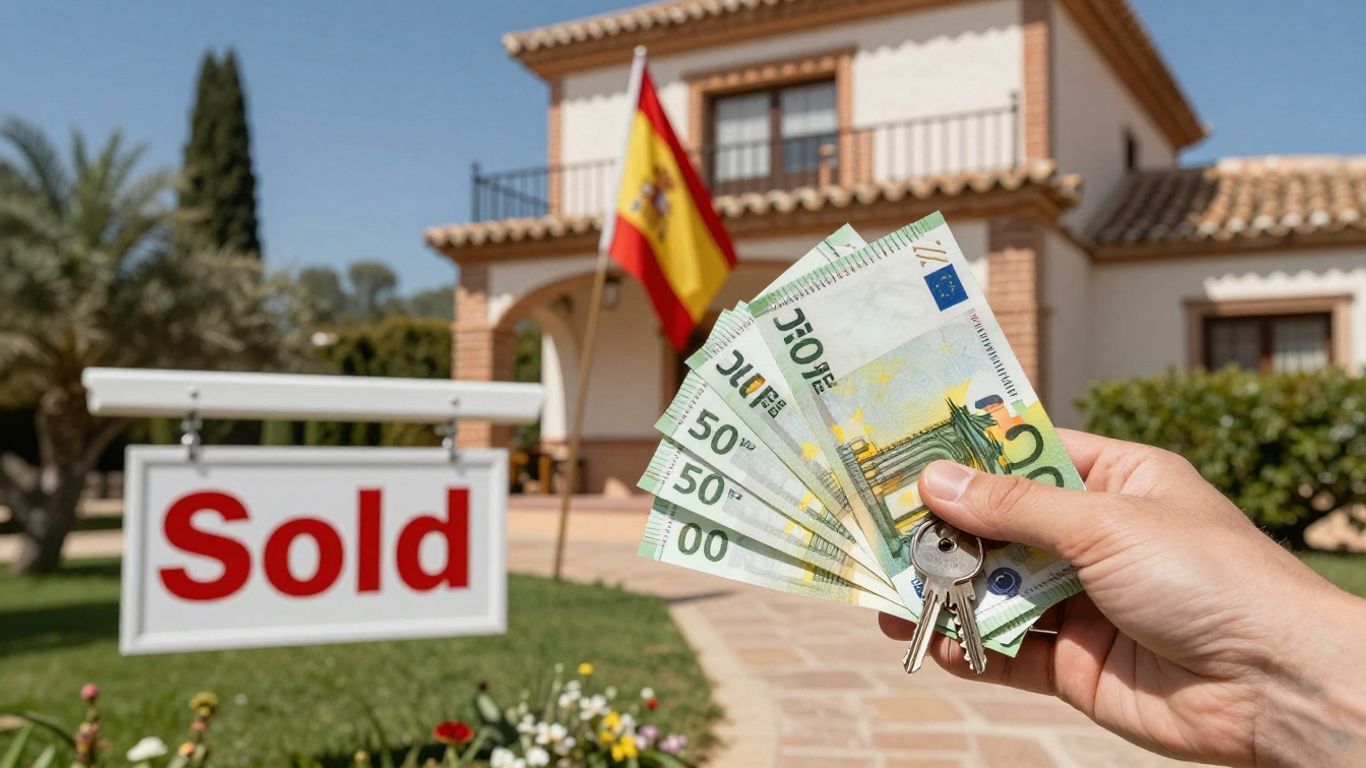
When you buy property in Spain, there are two main taxes you’ll run into right at the point of purchase: the Transfer Tax (ITP) and Value Added Tax (VAT), often called IVA in Spain. Which one applies really depends on whether you’re buying a brand-new place or a resale property. It’s not a huge deal, but it does change how much you pay and who you pay it to.
Impuesto sobre Transmisiones Patrimoniales (ITP) for Resale Properties
So, if you’re buying a place that someone else has owned before – think of it as a second-hand home – you’ll be dealing with the Impuesto sobre Transmisiones Patrimoniales, or ITP. This tax goes to the regional government, and the rates can really differ depending on where in Spain you’re buying. Generally, you’re looking at something between 6% and 10% of the property’s value, but some regions might have slightly different percentages or even progressive rates for more expensive homes. It’s the buyer who pays this tax, not the seller.
Value Added Tax (IVA) on New Builds
Now, if you’ve got your eye on a brand-new property, fresh from the developer, then VAT (IVA) is what you’ll pay instead of ITP. The standard rate for IVA on new homes is usually 10%. However, there’s a lower rate of 4% for officially protected housing, often called VPO (Vivienda de Protección Oficial). This tax is paid directly to the developer, who then passes it on to the tax authorities.
Actos Jurídicos Documentados (AJD) Considerations
On top of VAT (IVA) for new builds, you’ll also likely encounter the Actos Jurídicos Documentados, or AJD. This is essentially a stamp duty. It applies to official documents that record a legal transaction. For new properties, AJD is charged on top of the IVA. Like ITP, the rate for AJD varies by region, typically falling between 0.5% and 1.5% of the purchase price. So, when buying a new build, remember to factor in both IVA and AJD to get the full picture of your purchase taxes.
Calculating Your Property Purchase Tax
Alright, so you’ve found your dream Spanish pad, but before you pop the champagne, we need to talk numbers – specifically, the taxes that come with buying property here. It’s not just the sticker price, you know? The total cost can jump up quite a bit depending on a few things. Let’s break down how to figure out what you’ll actually owe.
Determining the Property’s Taxable Value
The first step in figuring out your tax bill is knowing the property’s value for tax purposes. This isn’t always as simple as the price you agreed on with the seller. In Spain, tax authorities often look at a “taxable value” which can be based on the official cadastral value, the purchase price, or a “reference value” set by the regional government. It’s really important to use the correct value for your tax calculations, as using the wrong one can lead to penalties. Sometimes, the purchase price is what’s used, especially for resale properties, but for new builds, it’s usually the price before VAT. Always check with your legal advisor on which value applies in your specific situation.
Regional Variations in Tax Rates
This is where things get a bit tricky, but also where you might find some good news or bad news depending on where you’re buying. Spain is divided into autonomous communities, and each one sets its own rates for the main property purchase taxes, like the Transfer Tax (ITP) or Stamp Duty (AJD). So, buying a place in Andalusia might have a different tax rate than buying one in Catalonia or the Basque Country. These rates can also change, sometimes yearly, so it’s vital to get the most up-to-date information for the region you’re interested in. For example, ITP on resale properties can range anywhere from 6% to 10% (or even higher in some places) of the declared value.
Step-by-Step Tax Calculation Guide
Let’s walk through a simplified example. Remember, this is just a general idea, and your actual calculation might be more complex.
- Identify the Property Type: Is it a brand-new build or a resale property? This determines whether you pay VAT (IVA) or Transfer Tax (ITP).
- Determine the Taxable Value: Find out the official value used for tax calculations. Let’s say it’s €200,000 for our example.
- Calculate the Main Tax:
- For a Resale Property: You’ll pay ITP. Let’s assume the regional rate is 8%. So, 8% of €200,000 = €16,000.
- For a New Build: You’ll pay VAT (IVA) at 10% (standard rate) and Stamp Duty (AJD) at 1.5% (example rate). So, IVA = 10% of €200,000 = €20,000. AJD = 1.5% of €200,000 = €3,000. Total for new build = €23,000.
- Add Any Other Applicable Taxes: Depending on the region and property type, there might be other small local taxes or fees. For new builds, AJD is a separate tax applied on top of IVA.
- Sum It Up: For our resale example, the main tax is €16,000. For the new build, it’s €23,000. This gives you a ballpark figure for the purchase taxes.
Keep in mind that these percentages are applied to the taxable value, which might be different from the price you actually pay. Also, some regions offer reduced rates for young buyers, large families, or for properties designated as social housing (VPO), so always check if you qualify for any discounts.
It’s always a good idea to have a local lawyer or tax advisor go over these calculations with you. They know the ins and outs of regional differences and can make sure you’re not missing anything or paying more than you need to.
Additional Costs Beyond Purchase Tax
So, you’ve figured out the main taxes like ITP or IVA, which is great. But hold on, there are a few more expenses that pop up when you’re buying property in Spain. These aren’t taxes in the same way, but they’re definitely costs you need to budget for to make the whole deal official and legal.
Notary and Land Registry Fees
Think of these as fees for the official paperwork. The notary is there to make sure everything is above board and that the sale contract is legally sound. They’ll draft the public deed of sale (escritura pública). The land registry then officially records your ownership, which is super important. Both have set fees, usually based on the property’s value.
- Notary Fees: These can typically range from €600 to €1,500, depending on how complex the transaction is and the property’s price.
- Land Registry Fees: Expect to pay somewhere between €400 and €750 for this, again, depending on the specifics.
Legal Representation Costs
Unless you’re fluent in Spanish legal jargon and have a lot of free time, hiring a lawyer is a really good idea. They’ll check all the property’s legal status, make sure there are no hidden debts or issues, and guide you through all the contracts. It’s money well spent to avoid future headaches.
- Lawyers usually charge a percentage of the property price, often between 0.5% and 1.5%.
- They’ll handle all the due diligence, contract reviews, and ensure your interests are protected.
- This service is particularly vital for international buyers unfamiliar with the Spanish system.
Other Associated Transaction Expenses
There are a few other bits and bobs that might come up. If you’re getting a mortgage, the bank will charge you for things like property valuations and setting up the loan. Sometimes, there are also minor administrative fees or costs related to getting utilities transferred into your name. It all adds up, so it’s wise to have a little extra buffer in your budget.
It’s easy to get caught up in the excitement of buying a Spanish property, but overlooking these associated costs can lead to budget shortfalls. Always ask for a detailed breakdown of all expected fees from your lawyer or agent early in the process.
Here’s a quick rundown of what else might be on your bill:
- Mortgage Costs: If you’re borrowing money, expect arrangement fees, valuation fees, and potentially mortgage insurance.
- Bank Fees: Some banks might charge for processing payments or setting up direct debits for taxes.
- Utility Transfers: While usually small, there can be administrative fees to switch electricity, water, and gas accounts.
Ongoing Property Tax Obligations
So, you’ve gone through the whole process, signed the papers, and now you’re officially a property owner in Spain. That’s fantastic! But hold on, the tax party isn’t quite over yet. Owning property here means you’ve got some yearly duties to keep up with, mainly concerning local taxes. It’s not as intense as the purchase taxes, but definitely something you need to factor into your budget.
Impuesto sobre Bienes Inmuebles (IBI) Explained
This is probably the big one you’ll hear about – the Impuesto sobre Bienes Inmuebles, or IBI. Think of it as your annual local property tax. Your local town hall, or ayuntamiento, sets this tax. It’s based on something called the valor catastral, which is basically the official administrative value of your property. This value is determined by the land registry and includes both the land and any buildings on it. The actual amount you pay each year is a percentage of this cadastral value, and the rate varies quite a bit depending on where you are in Spain and the type of property it is. For example, a property with a cadastral value of €200,000 in a town with a 0.7% tax rate would mean an annual IBI bill of €1,400. It’s usually paid once a year, and most people set up a direct debit so they don’t forget.
Municipal Capital Gains Tax (Plusvalía)
This one’s a bit different and usually comes into play when you sell a property, or if you inherit or are gifted one. It’s called the Plusvalía Municipal, and it’s a tax on the increase in the value of the urban land your property sits on, from the time you acquired it until you transfer it. Technically, the seller is responsible for paying this. However, it’s good to be aware of it, especially if you’re buying from someone who inherited the property, as sometimes these things can get a bit tangled. There have been some changes to how this is calculated, so it’s worth checking the latest rules if you’re involved in a sale.
Annual Tax Duties for Homeowners
Beyond the IBI, there are a couple of other smaller, local charges you might encounter. One common one is the rubbish collection tax, which is a fee set by your local council for waste disposal services. It’s usually not a huge amount. If you plan to use your property for business purposes, you might also be liable for a municipal tax on economic activities. Staying on top of these annual payments is key to avoiding fines and ensuring your property ownership remains clear.
It’s really important to remember that all these local taxes are managed by the individual town halls. This means the rules, rates, and payment dates can differ from one municipality to another. Always check with your local ayuntamiento or your legal representative about what’s due and when.
Here’s a quick rundown of what to expect:
- IBI (Impuesto sobre Bienes Inmuebles): Your main annual property tax, based on the cadastral value.
- Rubbish Collection Tax: A local fee for waste disposal services.
- Plusvalía Municipal: Tax on the increase in urban land value, usually paid by the seller upon sale or transfer.
- Other Local Fees: Depending on property use, other minor charges may apply.
It’s always a good idea to have a lawyer or gestor who can help you manage these ongoing payments, especially if you’re not living in Spain full-time. They can ensure everything is paid on time and correctly, saving you potential headaches down the line. If you’re buying property in Malaga, for instance, your legal team will guide you through these local obligations. This is a common fee.
Special Considerations for International Buyers
Buying property in Spain as a foreigner comes with its own set of rules and taxes. It’s not just about the purchase price; there are extra fiscal duties to keep in mind. Understanding these can save you a lot of hassle and unexpected costs down the line.
Non-Resident Tax Implications
If you’re not a Spanish resident, you’ll face different tax treatments compared to locals. This primarily affects how you’re taxed on the property itself and any income it generates. For resale properties, you’ll still pay the Transfer Tax (ITP), but the rates can vary by region. For instance, in Costa del Sol in 2026, this tax is expected to be between 7% and 10% of the property value. You’ll also need to factor in other costs like notary and land registry fees, which are standard for all buyers. It’s important to clarify who pays the municipal capital gains tax (Plusvalía) as, technically, it’s the seller’s responsibility, but if the seller is a non-resident, the buyer might have to cover it. Making sure this is settled is key during the closing process.
Imputed Income Tax for Non-Residents
Even if you don’t rent out your Spanish property, you might still have to pay tax on it. This is called ‘imputed income tax’. The Spanish tax authorities assume that owning a property generates some form of income, whether you use it or not. The tax is calculated based on the cadastral value of the property, which is usually lower than the market value. You’ll typically file this annually using form Modelo 210. It’s a bit of a strange concept if you’re not used to it, but it’s a standard part of owning property in Spain as a non-resident.
Wealth Tax Thresholds and Rates
Spain also has a Wealth Tax (Impuesto sobre el Patrimonio). As a non-resident, you’re only taxed on assets located in Spain. The thresholds and rates for this tax can differ significantly depending on the autonomous community where your property is located. Some regions have higher allowances, meaning you might not have to pay anything if your Spanish assets fall below a certain value. However, it’s worth checking the specific rules for your region. In some cases, you might also need to declare foreign assets if their value exceeds certain limits, which involves filing a separate form, Modelo 720.
Here’s a quick look at some potential additional taxes:
- National Capital Gains Tax (IRNR): If you sell the property later, you’ll pay this. Buyers often have to withhold 3% of the sale price for the tax authorities when the seller is a non-resident.
- Annual Imputed Income Tax: As mentioned, this applies even if the property isn’t rented.
- Wealth Tax: Applies to your Spanish assets if they exceed regional thresholds.
Planning ahead is really important. You don’t want to be caught off guard by these extra costs. Getting good advice from a local tax advisor who understands the non-resident rules can make a big difference in how much you end up paying and help you avoid any penalties for late filings.
Ensuring Compliance and Avoiding Penalties
So, you’ve gone through the whole process, paid all the taxes, and finally got the keys to your Spanish property. That’s fantastic! But hold on, the journey isn’t quite over. Making sure all your paperwork is in order and that you’ve settled everything on time is super important. It’s not just about avoiding trouble; it’s about securing your ownership and enjoying your new place without any nagging worries.
The Importance of Timely Tax Settlement
Paying your taxes promptly is more than just a bureaucratic step; it’s the bedrock of your legal claim to the property. When you settle your taxes, like the Impuesto sobre Transmisiones Patrimoniales (ITP) or Value Added Tax (VAT) and Actos Jurídicos Documentados (AJD) for new builds, within the stipulated timeframe – usually 30 days after signing the public deed – you’re essentially solidifying your ownership. This timely action prevents future complications, especially when you eventually decide to sell or pass the property on.
Consequences of Non-Compliance
Let’s be real, nobody wants to deal with penalties. If you miss deadlines or fail to pay your property taxes, the Spanish tax authorities can impose some pretty hefty consequences. We’re talking about:
- Interest and Fines: Overdue taxes start accumulating interest, and you’ll likely face penalties on top of the original amount owed. These can add up surprisingly fast.
- Property Liens: In more serious cases, tax authorities can place a lien on your property. This means you won’t be able to sell or transfer ownership until the debt is cleared.
- Legal Hurdles: Non-compliance can create legal roadblocks for future transactions, making it difficult to sell or even inherit the property.
- Personal Liability: The debt doesn’t just disappear; it can become a personal liability, and in some situations, it can even pass to your heirs.
It’s really about being proactive. Getting all the documentation right and settling each tax payment when it’s due is the best way to ensure your investment is secure and you can truly relax and enjoy your Spanish home.
Seeking Professional Tax Advice
Look, Spanish tax law can be a maze, especially with all the regional variations and frequent updates. Trying to figure it all out on your own can be overwhelming and, frankly, risky. That’s where getting professional help comes in. A good tax advisor or a lawyer specializing in Spanish property can make a world of difference. They can help you understand exactly what you owe, ensure you’re taking advantage of any available deductions or reliefs, and manage the payment process for you. For instance, if you’re a non-resident seller, remember that a 3% withholding tax might apply to the sale price [8e88]. A professional can guide you through this and other complex situations, making sure you stay compliant and avoid costly mistakes. They’ll keep you updated on changes, like potential green tax credits for energy-efficient homes or adjustments to wealth tax thresholds, so you’re always in the loop.
Staying on the right side of the law is super important for any business. Ignoring rules can lead to big fines and a lot of trouble. We make it easy to understand what you need to do to keep everything in order. Want to learn more about how to avoid costly mistakes? Visit our website today for simple tips and guidance!
Wrapping Things Up
So, buying a place in Spain definitely comes with its own set of paperwork and costs, especially when it comes to taxes. It might seem a bit much at first, with different taxes like ITP, IVA, and AJD popping up depending on whether you’re buying new or used. Plus, there are the ongoing annual taxes like IBI. The key thing is to get a handle on these costs early on. Don’t just look at the sticker price of the property; factor in these extra percentages. It’s really worth talking to a local lawyer or tax advisor who knows the ropes in the specific region you’re interested in. They can help you avoid any nasty surprises and make sure you’re not missing out on any potential savings. Doing your homework now means you can relax and actually enjoy your new Spanish home without worrying about unexpected bills later on.
Frequently Asked Questions
What are the main taxes I’ll pay when buying a house in Spain?
When you buy a house in Spain, you’ll mainly pay two types of taxes. If it’s a used home, you pay the Property Transfer Tax (ITP). If it’s a brand-new home, you pay Value Added Tax (VAT) and a Stamp Duty called AJD. These taxes can change depending on where you buy the house in Spain.
How much is the Property Transfer Tax (ITP) or VAT?
The amount you pay for the Property Transfer Tax (ITP) on used homes usually falls between 6% and 11% of the home’s price. For new homes, the Value Added Tax (VAT) is typically 10%, and the Stamp Duty (AJD) can be around 0.5% to 2%. These rates can be different in each region of Spain.
Are there other costs besides taxes when buying property?
Yes, definitely! Besides taxes, you’ll also have to pay for a notary to make the sale official, fees to register the property in your name, and possibly costs for a lawyer to help you with the paperwork. These add to the total cost of buying.
Do I have to pay taxes if I’m not a Spanish resident?
Yes, even if you don’t live in Spain, you still have to pay taxes when you buy property. There are special rules for non-residents, and you might have to pay a tax on the ‘imaginary’ income your property could generate, even if you don’t rent it out.
What happens if I don’t pay my property taxes on time?
If you’re late paying your property taxes, you’ll likely have to pay extra fees and interest. The tax authorities could even put a hold on your property, making it difficult to sell or pass on later. It’s really important to pay on time.
Do I need a lawyer to help me with buying property in Spain?
While it’s not always required, hiring a lawyer who understands Spanish property law is highly recommended. They can check all the legal details, make sure everything is in order, and help you avoid problems with taxes and paperwork, especially if you’re not familiar with the system.