Thinking about making Madrid your new home in 2026? It’s a fantastic city, full of life and culture. But before you pack your bags, you’ll want to get a good handle on the madrid living cost. This guide breaks down what you can expect to spend, from your rent to your weekly groceries, so you can plan your finances like a pro. Let’s figure out how far your money will go in the Spanish capital.
Key Takeaways
- Madrid is significantly more affordable than major US cities like New York and San Francisco, with rents and daily expenses being much lower.
- Moving your belongings from the US to Madrid can range from $3,500 to $10,000, depending on how much you’re bringing and how you ship it.
- A monthly public transport pass in Madrid is quite cheap, around $34, and the metro system is really extensive.
- The average monthly living expenses for a single person, not including rent, are about $962, while a couple might spend around $1,550.
- While Madrid is safe, it’s wise to be aware of petty theft in busy tourist spots and take standard precautions.
Understanding Madrid’s Overall Affordability
Madrid Versus Major US Cities
So, you’re thinking about making the move to Madrid? One of the first things on your mind is probably, “How much is this going to cost me?” Well, good news! Compared to many big cities back in the US, Madrid is generally a lot easier on the wallet. Think about New York City, for instance. You’re looking at costs that are roughly 51% lower in Madrid. Even compared to a place like San Francisco, which is also pretty pricey, Madrid comes in about 38% cheaper. This means your money can stretch a bit further here, which is always a plus.
Here’s a quick look at how some typical expenses stack up:
| Expense | Madrid (USD) | New York City (USD) |
|---|---|---|
| 1-Bedroom Apt (Center) | $1,550 | $4,440 |
| Utilities (Monthly) | $205 | $195 |
| Public Transport Pass | $34 | $135 |
| Meal in Restaurant | $17 | $25 |
| Draft Beer (0.5L) | $4 | $8 |
Note: Figures are approximate as of February 2026.
Monthly Budgeting for Madrid Residents
When you’re planning your monthly expenses in Madrid, it’s helpful to break things down. If you’re living solo and not counting rent, you might find yourself spending around $962 per month. Now, add rent into the mix, and that number jumps up considerably. A realistic monthly budget for a single person, including rent for a one-bedroom place in the city center, could range from $2,400 to $3,000. This covers your housing, food, getting around, and some fun money.
Here’s a general idea of what a single person might budget for monthly costs, excluding rent:
- Groceries: Around $300-$400
- Utilities (Electricity, Water, Internet): Roughly $150-$200
- Transportation: About $34 for a monthly pass
- Eating Out/Entertainment: Varies widely, but maybe $200-$300 to start
- Miscellaneous (toiletries, small purchases): $100-$150
Remember that these are just estimates. Your actual spending will depend a lot on your lifestyle, where you choose to live, and how often you eat out or go out.
Key Cost of Living Components
Several factors really shape your monthly expenses in Madrid. Housing is usually the biggest chunk, and we’ll get into that more later. Then there are your daily needs like groceries and utilities. Getting around the city is quite affordable thanks to the public transport system. Don’t forget about taxes, which are a part of life everywhere, and any personal spending on things like clothes or going out.
- Housing: This is your biggest variable, from rent to utilities. We’ll break down rental costs in the next section.
- Food: Daily groceries and the occasional meal out.
- Transportation: Public transport is efficient and budget-friendly.
- Utilities: Electricity, water, gas, and internet add up.
- Taxes: Local taxes and other fees.
- Personal Spending: Clothing, entertainment, and other lifestyle choices.
Housing Expenses in the Spanish Capital
When you’re thinking about moving to Madrid, the first thing that probably pops into your head is, ‘Where am I going to live, and how much will it cost?’ Housing is definitely the biggest chunk of your monthly budget here, no question about it. Madrid’s rental market can be pretty competitive, especially in the more popular neighborhoods.
Average Rental Costs for Apartments
Let’s get down to brass tacks. If you’re looking for a one-bedroom apartment right in the city center, you’re likely looking at prices somewhere between €1,200 and €1,600 per month in 2026. It can go even higher if you’re eyeing those super central, trendy spots. If you’re willing to live a little further out, maybe a 15-20 minute metro ride from the absolute hustle and bustle, you might find something for closer to €900 to €1,200. It really depends on the specific area and how new or updated the building is.
Factors Influencing Rental Prices
So, what makes one place cost more than another? A few things, really. Location is huge, obviously. Being close to a metro station or a major park can bump up the price. The size of the apartment matters too, but even a small place in a prime spot will cost more than a larger one in a less desirable area. The condition of the apartment is another big one – a newly renovated place with modern appliances will always fetch a higher rent than an older unit that hasn’t seen a lick of paint in years. And then there’s the whole furnished versus unfurnished debate, though in Madrid, many places come furnished.
Landlord Requirements for Renters
Getting approved for an apartment isn’t always straightforward. Landlords and rental agencies usually want to see proof that you can actually afford the rent. This often means providing:
- Proof of income: Typically, they’ll want to see payslips from the last few months, or a work contract if you’re newly employed.
- Bank statements: Sometimes they’ll ask for these to see your financial stability.
- A Spanish bank account: Having one can make the whole process smoother.
- A deposit and sometimes an extra guarantee: Expect to pay at least one month’s rent as a deposit, and sometimes they’ll ask for an additional guarantee, especially if you don’t have a long credit history in Spain.
It’s a good idea to have all your documents ready to go before you start seriously apartment hunting. The market moves fast, and you don’t want to miss out on a great place because you were scrambling for paperwork.
Here’s a rough idea of what you might expect for a one-bedroom apartment:
| Area Type | Estimated Monthly Rent (2026) | Notes |
|---|---|---|
| City Center | €1,200 – €1,600+ | Prime locations, close to attractions |
| Near Metro/Good | €900 – €1,200 | Good transport links, slightly further out |
| Outer Districts | €700 – €900 | More residential, quieter |
Daily Living Expenditures
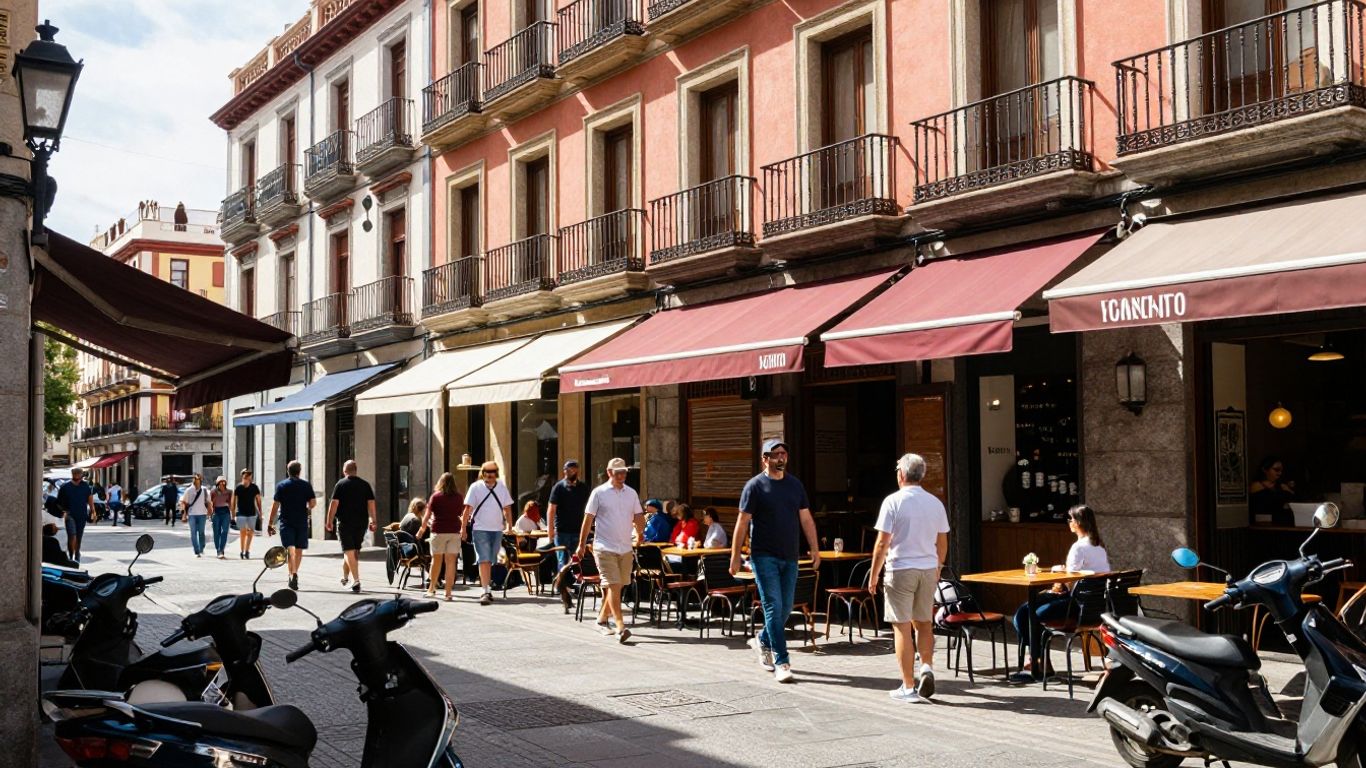
Let’s talk about the day-to-day stuff – the groceries, the bills, and those little taxes that add up. It’s easy to overlook these costs when you’re planning a move, but they really do make up a significant chunk of your monthly outgoings.
Grocery Shopping and Food Budgets
Food is a big one, and honestly, it can sneak up on you. While Spain generally offers good value for groceries compared to other parts of Europe, those frequent trips to the supermarket can really add up over the year. For a couple, you might be looking at around €130 to €140 per week, depending on what you eat and where you shop. Think about it: a litre of milk is just over a euro, bread is about €1.30, and a dozen eggs usually comes in under €3. These prices are pretty stable, but if you’re buying a lot of imported goods or fancy organic stuff, your bill will definitely be higher. Shopping at local markets can sometimes be cheaper, but it really depends on the item and the market.
Here’s a rough idea of what some common items cost in 2026:
- Loaf of fresh bread: €1.30
- Dozen eggs: €2.50 – €2.70
- Litre of milk: €1.05
- Kilogram of chicken breasts: €7.00 – €7.50
- Kilogram of apples: €2.00 – €2.20
Estimating Utility Bills
Energy costs have been a bit of a rollercoaster, and even with gas prices settling down, your electricity and gas bills can still be a notable expense. On average, households are spending just over €1,200 a year on energy. This can jump up quite a bit if you live in an older place that isn’t well-insulated or if you’re in a region with really hot summers or cold winters. If you’re signing up for a new energy contract, you’ll have to decide between the regulated tariff and the free market options, which can make a difference in your monthly bill.
Utility bills are a fixed cost that you can’t really avoid. While they might not be as high as rent, they are a consistent drain on your budget that needs to be factored in. Keeping an eye on your usage and looking for energy-efficient appliances can help keep these costs down over time.
Local Taxes and Water Costs
Beyond rent and utilities, there are other fixed costs that you just have to pay. These include local taxes and your water bill. While they might not seem like much individually, they contribute to your overall monthly expenses. On average, local taxes come out to about €484 per year. This is usually broken down into property tax (IBI), a waste collection fee, and a vehicle circulation tax if you own a car. Your water bill averages around €218 annually. So, while not the biggest expenses, they are part of the financial landscape you’ll need to get used to.
Transportation and Connectivity Costs
Getting around Madrid and staying connected doesn’t have to break the bank, but it’s good to know what to expect.
Navigating Public Transport Options
Madrid boasts a really solid public transport system. Think metro, buses, and commuter trains (Cercanías). For daily commutes, a monthly transport pass is usually your best bet. Depending on the zones you need to cover, these typically run between €54 and €60. If you’re just hopping on occasionally, a single metro or bus ticket hovers around €1.50 to €2.00. They also have these 10-trip cards that can save you a bit of cash per ride, usually cutting the cost by about 30-40% compared to single tickets. It’s pretty efficient and way cheaper than owning a car.
Costs Associated with Vehicle Ownership
So, you’re thinking about bringing a car or buying one here? It’s definitely an option, but it comes with its own set of expenses. Fuel prices can fluctuate, but you’re looking at roughly €1.50 to €1.60 per liter for gasoline. Then there’s insurance, which can add up to anywhere from €500 to over €1,000 annually, depending on your driving record and the car. Parking can also be a headache and an added cost in many parts of the city. If you’re buying a new car, expect prices to be comparable to other European countries, with a mid-range sedan costing upwards of €25,000 to €30,000.
Telecommunication Service Expenses
Staying connected with internet and phone service is pretty straightforward. For home internet, you’re generally looking at about €30 to €40 per month for a decent speed. Mobile phone plans are also quite competitive, with many providers offering plans with plenty of data for around €10 to €20 a month. Bundling your home internet and mobile services can sometimes lead to extra savings, so it’s worth checking out those deals.
Utilities, including water and gas, are another regular expense. While electricity can vary a lot based on usage, especially with heating or cooling, expect a combined monthly bill for electricity, water, and gas to be in the ballpark of €135 for a standard apartment. Gas bottles are an alternative if you’re not connected to the mains, costing around €17 for a 12.5 kg bottle.
Here’s a quick look at some typical monthly costs:
- Monthly Transport Pass (Madrid Zones A/B1): €54.60
- Single Metro/Bus Ticket: €1.50 – €2.00
- Gasoline (per liter): ~€1.59
- Home Internet: €30 – €40
- Mobile Phone Plan: €10 – €20
- Average Monthly Utilities (Electricity, Water, Gas): ~€135
Additional Lifestyle and Miscellaneous Costs
Beyond the big-ticket items like rent and groceries, Madrid has a whole other layer of expenses that add up. Think about your social life, your wardrobe, and those little conveniences that make life easier. It’s easy to overlook these, but they can really impact your monthly budget.
Leisure Activities and Dining Out
Madrid is famous for its vibrant social scene, and enjoying it doesn’t have to break the bank. You can grab a tapa and a beer for a few euros, or splurge on a nice dinner. Here’s a rough idea of what to expect:
- Inexpensive Restaurant Meal: Expect to pay around €14-€16 per person.
- Mid-Range Restaurant (3-course meal for two): Budget between €40-€55.
- Beer in a local bar: Typically €2-€4.
- Glass of Spanish wine: Usually €3-€6.
- Cinema Ticket: Around €8-€11, often cheaper on certain days.
Many museums, like the Prado, offer free entry during specific evening hours, making cultural outings more accessible. Plus, local festivals and markets are often free to attend, offering a great way to experience the city’s culture without spending much.
While Madrid can be pricier than smaller Spanish towns, especially in tourist hotspots, its entertainment options often provide good value. The key is knowing where to look and when to go.
Clothing and Personal Items
Shopping for clothes and personal items in Madrid is similar to many other major cities. You’ll find everything from high-street brands to independent boutiques. Prices can vary wildly depending on what you’re after. For everyday essentials, you might find yourself spending anywhere from €50 to €150 a month, depending on your needs and shopping habits. Keep an eye out for the famous winter and summer sales (rebajas) which can offer significant savings.
Subscription Services and Memberships
This category covers a lot of ground, from gym memberships to streaming services. A gym membership might set you back around €40 per month, though prices can vary. Streaming services are generally in line with international prices. If you’re planning on using public transport regularly, a monthly pass is a good investment, costing around €30. It’s worth doing a quick tally of all your recurring subscriptions to see where you might be able to cut back if needed.
Financial Considerations for Expats

Moving to a new country like Spain, especially Madrid, involves more than just packing your bags. For those coming from abroad, understanding the financial landscape is a big piece of the puzzle. It’s not just about the day-to-day costs; it’s also about how you’ll earn money and what initial expenses you’ll face.
Relocation Expenses from Abroad
Getting yourself and your belongings to Madrid can add up. Think about the cost of shipping your stuff – depending on how much you have and how you send it, this could range from a few thousand to over ten thousand dollars. Then there are visa fees, flights, and maybe even temporary accommodation while you find a permanent place. It’s wise to budget for these upfront costs so they don’t catch you off guard.
Average Salaries and Earning Potential
Madrid is Spain’s economic hub, so there are jobs, particularly in international companies and tech. However, the average salaries here are generally lower than in major US cities. For example, the average gross annual salary hovers around €32,000. Entry-level roles might bring in €1,200 to €1,800 per month, while mid-level positions could be between €2,000 and €3,500. While English-speaking roles exist, especially in tech and international firms, learning Spanish will really open up more long-term career opportunities.
Integrating into the Local Economy
Getting settled financially means more than just finding a job. You’ll need to open a Spanish bank account, which is often a requirement for landlords and setting up utilities. Understanding local taxes is also important. While the cost of living is lower than in many US cities, making your money go further, it’s still important to have a realistic budget. Many expats find success by connecting with others through online groups and professional networks to learn the ropes and find opportunities.
It’s important to remember that while Madrid offers a high quality of life at a lower cost than many other major cities, your personal financial situation will depend heavily on your income source and spending habits.
Here’s a quick look at how some costs compare, giving you a general idea:
| Expense | Madrid (approx. USD) | New York City (approx. USD) |
|---|---|---|
| 1-Bedroom Apartment (City Center) | $1,550 | $4,440 |
| Utilities (85m² apartment) | $133 | $245 |
| Monthly Public Transport Pass | $34 | $135 |
| Meal at an Inexpensive Restaurant | $17 | $25 |
| Mobile Phone Plan (10GB+ data) | $18 | $13 |
| Internet (Unlimited Data) | $31 | $31 |
| Fitness Club (Monthly Fee) | $39 | $33 |
Moving abroad is exciting, but thinking about money can be tricky. Our “Financial Considerations for Expats” section breaks down everything you need to know about managing your money when you live in a new country. From taxes to banking, we make it easy to understand. Ready to get a clear picture of your finances? Visit our website today for expert advice and tools to help you succeed!
Wrapping It Up: Your Madrid Budget in 2026
So, that’s the lowdown on what it costs to live in Madrid in 2026. It’s definitely cheaper than a lot of big US cities, which is a huge plus. But, like we’ve seen, rent is still a big chunk of the budget, and those everyday costs add up faster than you might think. For folks moving here, or even just planning a visit, keeping these numbers in mind is key. It’s not about being super strict, but more about knowing what to expect so you can enjoy everything Madrid has to offer without any nasty financial surprises. Plan smart, and you’ll be living your best Madrid life in no time.
Frequently Asked Questions
Is Madrid more expensive than major US cities?
Nope! Madrid is generally way cheaper than big cities in the US. Think about it, living in Madrid can be about 51% less expensive than in New York City. That means your money can go a lot further there.
What’s a typical monthly budget for someone living in Madrid?
If you’re living alone and not counting rent, you might need around $962 per month. But if you include rent for a decent place, especially a one-bedroom in the city center, your budget could jump to about $2,400 to $3,000 each month. It really depends on where you live and how you like to spend your cash.
How much does it cost to rent an apartment in Madrid?
Renting is usually the biggest expense. For a one-bedroom apartment right in the heart of Madrid, you’re looking at around $1,550 a month. If you’re okay living a bit further out from the center, you might find places for closer to $1,185.
What are the main costs for daily living like groceries and utilities?
Groceries can add up, costing about $4,100 per year for a household. And don’t forget energy bills like electricity and gas, which can easily go over $1,200 a year, especially if your home isn’t super energy-efficient. On top of that, you’ll have local taxes and water bills, which might add up to around $700 annually.
How do people get around in Madrid, and what does it cost?
Madrid has a great public transport system, and a monthly pass is super affordable, around $34. The metro covers most of the city and is a really easy way to travel. Owning a car can be more expensive with costs for gas, insurance, and parking.
What about extra costs like going out and entertainment?
Beyond the essentials, things like eating out, going to the movies, hitting the gym, or just enjoying Madrid’s lively social scene can add up. These extra lifestyle costs can easily add another $2,200 or more to your yearly expenses, so it’s good to keep that in mind when planning your budget.