Thinking about buying a house in Malaga, Spain? It’s a great idea, honestly. Malaga has so much to offer, from its sunny weather to its lively culture. But, like anything big, buying property here involves a few steps. This guide is here to help you figure it all out, from understanding the market to actually getting the keys in your hand. We’ll break down what you need to know so you can make a smart move.
Key Takeaways
- Get your NIE number early; it’s needed for almost everything when buying property in Spain.
- Understand that you’ll need a deposit plus extra for fees and taxes, usually around 20-30% of the price.
- Consider hiring a local property lawyer to help with the legal side and avoid problems.
- Factor in taxes like VAT or Transfer Tax (ITP) and ongoing annual property charges.
- Be prepared for the process: property search, making an offer, signing agreements, and finally, the completion.
Understanding Malaga’s Property Market
Malaga’s Appeal for International Buyers
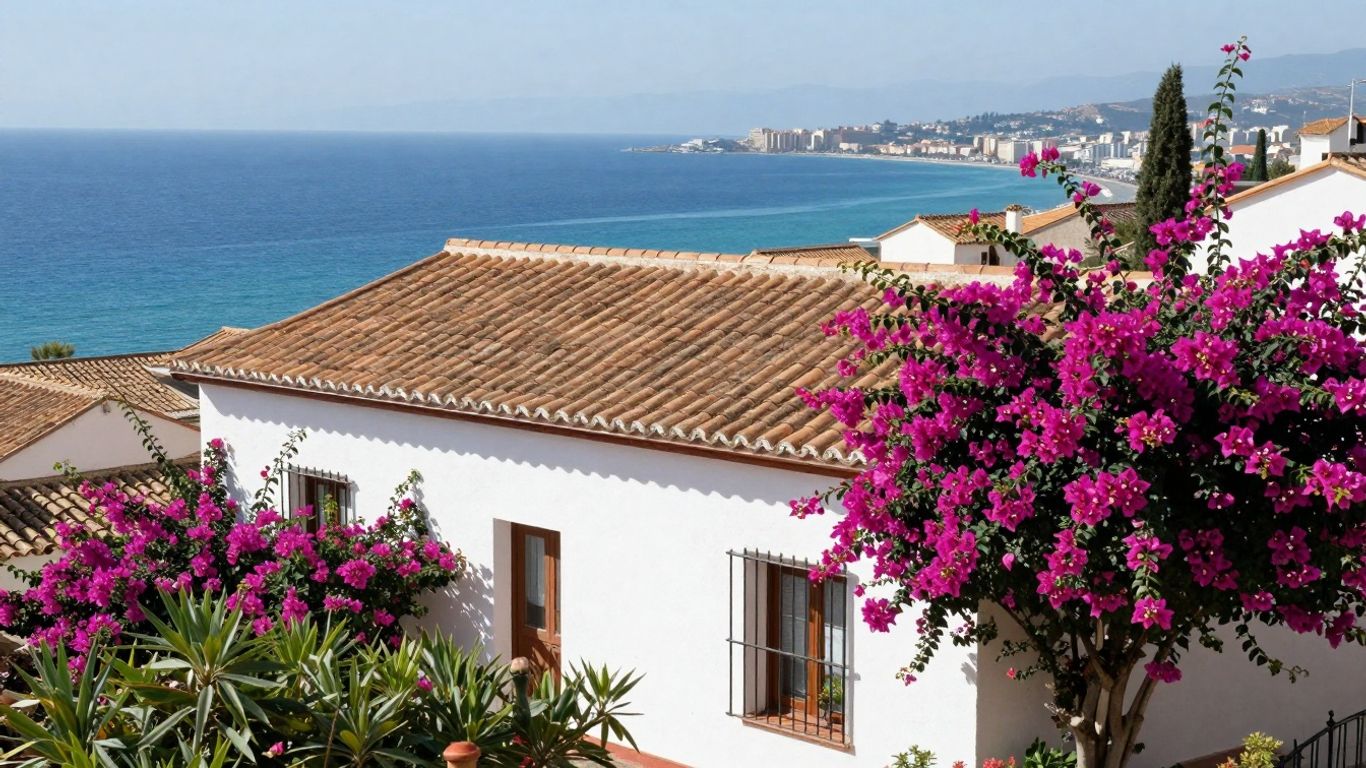
Malaga has become a real hotspot for folks looking to buy property outside their home country. It’s not just the sunshine, though that’s a big part of it. Think nearly 3,000 hours of sun a year – pretty sweet, right? This city consistently ranks high for quality of life, and it’s way more affordable than other big Spanish cities. Brits are a huge group here, with tens of thousands already living in the province. But it’s not just them; people from Scandinavia, Belgium, Germany, and France are also snapping up homes. Lately, we’re even seeing more buyers from China, which is a shift from just renting. They’re looking for their own space now.
Key Neighborhoods for Property Investment
Choosing where to buy in Malaga really depends on what you’re after and, let’s be honest, your budget. If you’re into the arts and want to be right in the middle of things, the Soho district is a great pick. It’s known for its creative vibe and is super close to both the sea and the city center. For those who dream of living right by the water, areas like Huelin, Cala del Moral, Torremolinos, and Pedregalejo are worth checking out. If you prefer a more residential feel but still want good transport links, Teatinos, Carlos de la Haya, and Ortega y Gasset are solid choices. The good news is Malaga is pretty walkable, so most amenities aren’t too far off, no matter where you settle.
Current Market Trends and Price Points
The property market in Malaga is definitely heating up, with prices climbing steadily, much like in other major Spanish cities. You’ll see a big difference in price depending on the neighborhood. For example, in areas like Centro or Litoral Este, you’re looking at over 3,000€ per square meter, which is on par with some parts of Barcelona or Madrid. Other districts, such as Pedrizas, Teatinos, and Litoral Oeste, fall into the 2,000€ to 3,000€ per square meter range. If you’re on a tighter budget, you can still find places for under 2,000€ per square meter in areas like Rosaleda, Puerto de la Torre, Campanillas, and Churriana. It’s a diverse market, so there’s likely something for most budgets.
Here’s a rough idea of what you might expect:
| District Type | Price per Square Meter (approx.) |
|---|---|
| Prime Central/Coastal | Over 3,000€ |
| Mid-Range Residential | 2,000€ – 3,000€ |
| Budget-Friendly | Under 2,000€ |
Keep in mind that these are general figures. Actual prices can vary a lot based on the specific property, its condition, and current market demand. It’s always best to work with local agents to get the most up-to-date pricing information for the areas you’re interested in.
Navigating the Legalities of Buying a House in Malaga Spain
So, you’ve found a place in Malaga that you really like. Awesome! But before you start picking out paint colors, there are a few official hoops to jump through. It’s not super complicated, but you definitely need to know what’s what.
First things first, you’ll need a Número de Identificación de Extranjero, or NIE number. Think of it as your foreigner identification number in Spain. You absolutely need this for pretty much any official transaction, including buying property. It has to be on all the paperwork you sign. Getting one can take a little while, so it’s a good idea to start this process early. Your real estate agent might be able to help speed things up.
Look, I’m not saying you can’t do this on your own, but hiring a property lawyer is seriously recommended. They’re like your guide through the Spanish legal maze. They’ll check all the paperwork, make sure the property doesn’t have any hidden debts, and generally protect your interests. It might seem like an extra cost, but trust me, it can save you a massive headache and potentially a lot of money down the line.
The Registro de la Propriedad is basically Spain’s official record of who owns what. When you buy a property, it needs to be registered here to make sure everyone knows you’re the new owner and to prevent any funny business. Your lawyer will work with the registry to confirm everything is in order, like checking for any outstanding charges or issues with the property’s title. It’s all about making sure your ownership is secure.
Buying property in a foreign country involves specific legal steps. Understanding these procedures, like obtaining your NIE and working with a local lawyer, is key to a smooth transaction. The Spanish land registry plays a vital role in confirming ownership and preventing future disputes.
Financial Considerations for Your Malaga Property Purchase
Buying a place in Malaga involves more than just the sticker price. You’ve got to think about how you’ll actually pay for it and all the extra bits that add up. It’s not just about the house itself, but the whole package.
Securing a Mortgage in Spain
Getting a mortgage in Spain is definitely doable, even if you’re not a resident. Spanish banks are generally willing to lend to foreigners, but they’ll want to see a solid financial history. Typically, you can borrow up to 70% of the property’s valuation or purchase price, whichever is lower, if you’re a non-resident. For residents, this can sometimes go up to 80%. The loan term can extend up to 30 years, depending on your age and the bank’s policies. It’s a good idea to shop around, as interest rates and conditions can vary quite a bit between lenders. Some banks might offer better deals if you bundle other financial products with them, like insurance or a current account. You’ll need to provide a lot of documentation, including proof of income, employment status, and existing debts. Getting pre-approval can give you a clearer picture of what you can afford and make your offer stronger when you find the right place. If you’re finding the process a bit overwhelming, mortgage brokers can be a great help; they know the market and can guide you through the options, like those available through Hipoteken’s mortgage brokers.
Deposit and Down Payment Requirements
When you agree to buy a property in Spain, you’ll typically need to put down a deposit. This is usually a percentage of the purchase price and shows the seller you’re serious. For a resale property, this is often around 10% of the price, paid when you sign the private purchase contract (contrato de arras). For new builds, the payment structure is a bit different. You might pay a smaller reservation fee initially, followed by staged payments during construction, with the final balance due upon completion. The total amount you’ll need upfront, including the deposit and any remaining balance before the mortgage kicks in, is a significant chunk of the total cost. For example, a property priced at €369,000 might require a 30% deposit, meaning you’d need around €110,700 just for that part, plus other buying expenses.
Budgeting for Additional Costs
Don’t forget that the advertised price of a property is just the beginning. There are several other costs involved in buying a home in Malaga. These include taxes (which we’ll cover next), notary fees, land registry fees, and legal fees. You’ll also have mortgage arrangement fees if you’re borrowing money. It’s wise to budget an extra 10-15% on top of the property’s purchase price to cover these expenses. For instance, if you’re buying a property for €300,000, you should realistically set aside an additional €30,000 to €45,000 for these associated costs. This buffer helps avoid any nasty surprises down the line and ensures you can complete the purchase smoothly.
It’s easy to get caught up in the excitement of finding your dream home, but a little financial planning goes a long way. Understanding all the costs upfront means you can approach the purchase with confidence and avoid any last-minute scrambles for funds. Think of it as part of the adventure of settling into your new Spanish life.
Taxes and Fees Associated with Property Acquisition
Buying a place in Malaga involves more than just the sticker price. You’ve got to factor in a bunch of taxes and fees that come with the territory. It’s not always straightforward, and understanding these costs upfront can save you a lot of headaches later on.
Taxes on New Properties
When you buy a brand-new home directly from a developer, you’ll be looking at two main taxes. First up is Value Added Tax (VAT), or IVA as it’s known locally. This is currently set at 10% of the property’s purchase price. On top of that, there’s Stamp Duty, called Actos Jurídicos Documentados (AJD). The rate for AJD can vary a bit depending on the region, but it typically falls between 0.5% and 1.5% of the property value.
Taxes on Resale Properties
Buying a pre-owned home means you’ll be dealing with a different tax: Property Transfer Tax, or Impuesto de Transmisiones Patrimoniales (ITP). This tax replaces VAT and Stamp Duty for resale properties. The percentage for ITP can be quite a bit higher, usually ranging from 6% to 10% of the property’s declared value. Again, the exact rate can differ slightly from one autonomous community to another within Spain.
Annual Property Taxes and Charges
Once you’ve bought your home and are settled in, there are ongoing taxes and fees to consider. The main one is the Impuesto sobre Bienes Inmuebles (IBI), which is a local property tax paid to the town hall. The amount is based on the property’s cadastral value, which is a figure set by the government, and it generally ranges from 0.4% to 1.1% of that value. For Malaga city specifically, the rates are around 0.4510% for urban properties and 0.6543% for rural ones. You’ll also likely have community fees if your property is part of a larger development with shared facilities like pools or gardens. These fees cover the maintenance of common areas.
It’s really important to get a clear picture of all these potential costs before you get too far into the buying process. A good lawyer will break this down for you, but doing your own homework helps too.
Here’s a quick rundown of the typical fees involved at the time of purchase:
- Notary Fees: These are regulated and depend on the property’s sale price. For a €100,000 property, expect around €675, but this scales up with higher values.
- Land Registry Fees: For officially registering your ownership, these fees also vary based on the property’s price, typically between 0.2% and 1.8%.
- Gestoría Fees (Optional): Some buyers opt for a gestoría, an administrative agent, to handle paperwork. Their fees are separate and vary.
- Mortgage Costs: If you’re getting a mortgage, there will be arrangement fees, valuation costs (around €250+), and potentially other bank charges.
The Property Search and Acquisition Process
So, you’ve decided Malaga is the place for your new home. That’s fantastic! But now comes the part where you actually find and buy the place. It can feel a bit overwhelming, but breaking it down makes it much more manageable. Let’s get into it.
Finding Your Ideal Property
This is where the fun really begins, right? You’ll want to start by getting a feel for different areas. Malaga city itself has vibrant neighborhoods, but don’t forget the charming coastal towns and the more rural inland villages. Think about what you want your daily life to look like. Do you want to be close to the beach, the city buzz, or perhaps a quieter, more traditional setting? Websites like Fotocasa are great for browsing what’s out there, and local real estate agents can be super helpful, especially if you’re new to the Spanish market. It’s a good idea to compare properties you like – look at their location, age, and general condition. Don’t just jump on the first thing you see. Take your time to view and check out the important bits, like the facade, the roof, and the interior walls. After a few viewings, you’ll start to get a clearer picture of what’s available and what you really want.
Reservation Agreements and Offers
Once you’ve found a property that ticks most of your boxes, you’ll likely need to make an offer. If your offer is accepted, the next step is usually signing a reservation agreement, often called a Contrato de Reserva. This document basically takes the property off the market for a short period, giving you time to do your homework. You’ll typically pay a small reservation fee at this stage. It’s really important not to rush this part. Before signing anything or handing over any money, make sure you have a good lawyer look it over. They’ll help you understand all the terms and conditions. This is also where you’ll start thinking about the deposit, which is usually around 10% of the property price, paid when you sign a more formal preliminary contract, the Contrato Privado de Compraventa. Remember, this deposit can be non-refundable if you back out, so due diligence is key.
Completing the Purchase
This is the final stretch! After your lawyer has done all the necessary checks – like reviewing the Nota Simple from the Land Registry to ensure there are no hidden debts or legal issues – and you’re happy to proceed, you’ll sign the preliminary contract (Contrato Privado de Compraventa) and pay your deposit. The main event, however, is signing the final deed of sale, known as the Escritura Pública de Compraventa. This happens before a public notary, who acts as a neutral witness. Both you and the seller will sign, the final payment is made, and the property officially becomes yours. Your lawyer will then handle the registration of the property in your name. It’s a good idea to have a Spanish bank account set up by this point to make the financial transactions smoother. Buying property in Malaga comes with potential pitfalls, so having a good legal team is your best bet for a smooth transaction.
Here’s a quick look at the typical stages:
- Property Search: Browse online listings and work with agents.
- Viewings: Visit properties, compare options, and check condition.
- Offer & Reservation: Make an offer and sign a reservation agreement.
- Due Diligence: Your lawyer investigates the property’s legal status.
- Preliminary Contract: Sign the Contrato Privado de Compraventa and pay the 10% deposit.
- Completion: Sign the Escritura Pública de Compraventa before a notary and finalize the payment.
- Registration: Register the new ownership with the Land Registry.
Life After Buying Your Malaga Home
So, you’ve done it! You’ve bought your dream home in sunny Malaga. That’s fantastic news. But the journey doesn’t quite end at the notary’s office. There are a few more practical steps to take to really settle in and start enjoying your new Spanish life. It’s mostly straightforward stuff, but it’s good to know what’s coming.
Setting Up Utilities
Once the keys are in your hand, the responsibility for things like water, electricity, and waste collection officially transfers to you. You’ll need to get these services set up in your name. This usually involves visiting the local offices of the utility companies or sometimes doing it online if you have a Spanish bank account. It’s a good idea to have your NIE number and property deeds handy for this. Getting these sorted quickly means you can start enjoying your home without any interruptions.
Home Insurance Recommendations
While it might not be legally required for every type of property, getting home insurance is a really smart move. It protects your investment against unforeseen events, like damage from storms or other issues. You’ll want to look into policies that cover the structure of your home, your belongings, and perhaps even liability. Different companies will offer various packages, so it’s worth shopping around a bit to find one that fits your needs and budget. You can find insurance providers through local agents or online comparison sites.
Becoming a Resident Tax Representative
This might sound a bit formal, but it’s an important administrative step, especially if you’re not a full-time resident of Spain. You’ll need to appoint a tax representative. This person or entity acts on your behalf for any tax-related matters with the Spanish authorities. It simplifies communication and ensures you meet all your obligations. If you’re buying through a lawyer, they can often help you with this process or recommend someone suitable. It’s all part of making sure your property ownership is fully compliant and hassle-free, allowing you to truly relax and embrace your new Malaga lifestyle.
Here’s a quick rundown of what to expect:
- Utility Setup: Contact local providers for water, electricity, and gas.
- Insurance: Secure a home insurance policy to protect your property.
- Tax Representation: Appoint a representative if you are a non-resident.
Taking care of these post-purchase tasks will help you avoid any unexpected headaches down the line. It’s about getting all the practicalities squared away so you can focus on the fun part – living in and enjoying your new home in Malaga.
So, you’ve got the keys to your new place in sunny Malaga! What’s next? Settling in is just the beginning of a fantastic adventure. Imagine exploring charming streets, enjoying delicious tapas, and soaking up the Mediterranean lifestyle. Ready to make your Malaga dream a reality? Visit our website today to discover how we can help you with all the details.
Ready to Make Malaga Home?
So, you’ve made it through our guide to buying a house in Malaga. It might seem like a lot, but remember, taking it step-by-step makes it manageable. Malaga offers a fantastic lifestyle, great weather, and a growing property market that’s still more affordable than other big Spanish cities. Whether you’re looking for a beachfront flat in Pedregalejo or a lively spot in Soho, there’s something for everyone. Just be sure to get your NIE sorted early, talk to a lawyer, and understand all the costs involved. With a little planning and patience, that dream of owning a home under the Spanish sun can totally become a reality. ¡Buena suerte!
Frequently Asked Questions
What’s the most important number I need to buy a house in Malaga?
The most important number is called the NIE (Número de Identificación de Extranjero). It’s like your personal tax ID in Spain. You absolutely need this number for any big money deals, like buying property. It’s best to get this sorted out early because it can take a little while.
Do I need a lawyer to buy a house in Malaga?
While it’s not strictly required by law, it’s a really good idea to hire a property lawyer. They know all the ins and outs of buying property in Spain and can help you avoid problems. Think of them as your guide to make sure everything is done right and you don’t miss anything important.
How much money do I need upfront to buy a house?
You’ll need to put down a deposit, usually around 10-20% of the house price. On top of that, you’ll need extra money to cover taxes, fees for lawyers, notaries, and other costs. It’s a good idea to have about 15% more than the house price set aside for these extras.
What taxes will I have to pay when I buy a house?
If you buy a brand new house, you’ll pay VAT (Value Added Tax), which is usually 10%, plus a small tax for legal documents. If you buy a house that someone else has owned before, you’ll pay a Transfer Tax. The amount of this tax can change depending on the price of the house.
Can I get a mortgage in Spain as a foreigner?
Yes, you can! As a foreigner, you can get a mortgage in Spain, but there might be a few more rules than for people who live there full-time. Banks will usually lend you up to 80% of the house price if it’s your first home, or a bit less if it’s a second home. You’ll need to show you can afford the payments.
What happens after I buy my house in Malaga?
Once you own your home, you’ll need to set up your utilities like electricity and water in your name. It’s also super important to get home insurance to protect your new place. If you’re not living in Spain full-time, you might also need to appoint a tax representative.