Thinking about buying a house in Barcelona, Spain? It’s a big step, and honestly, it can feel a bit much at first. There’s a lot to sort out, from understanding the market to all the paperwork involved. But don’t worry, it’s totally doable. This guide is here to break it all down for you, making the whole process clearer. We’ll cover what you need to know about the Barcelona property scene, the money side of things, finding the right place, and getting through the legal bits. So, let’s get started on making your Barcelona home dreams a reality.
Key Takeaways
- Foreigners can buy property in Barcelona with no special restrictions, but you’ll need a NIE number for transactions.
- Factor in more than just the sale price; include down payments (around 20%), taxes (like ITP or VAT), and fees for lawyers and notaries.
- Decide on your ideal neighborhood based on your lifestyle and look for property features that matter most to you.
- Before signing anything, check important documents like the property registry extract and occupancy certificate.
- The buying process involves making an offer, signing a deposit contract, finalizing at the notary, and registering the property.
Understanding the Barcelona Property Market
Foreign Investment Trends in Barcelona
Barcelona has long been a magnet for international buyers, and that trend isn’t slowing down. It’s seen as a stable place to invest, not just for a holiday home but for long-term value. Many people are drawn to the city’s lifestyle, culture, and climate. This consistent interest from abroad helps keep the property market pretty steady, even when things change elsewhere. Foreigners can absolutely buy property here; there are no special restrictions. The main thing you’ll need is an NIE number, which is basically a tax ID for foreigners. You can get this from the Spanish police or through a consulate. It’s a simple step that opens the door to owning a piece of Barcelona.
Barcelona’s Diverse Neighborhoods for Buyers
Trying to figure out where to buy in Barcelona is like picking a favorite tapa – there are so many good options! Each neighborhood has its own vibe. You’ve got the grand, modernist buildings in the Eixample, perfect if you like wide avenues and a bit of old-world charm. Then there’s Gràcia, which feels more like a village within the city, full of independent shops and lively squares. If you’re after something more modern, Poblenou offers sleek apartments close to the beach. And for a more upscale feel, Sarrià has beautiful villas and a quieter atmosphere. The key is to match the neighborhood to how you want to live. Think about what’s important to you: being close to the beach, having lots of restaurants nearby, or maybe a quieter, more residential feel.
Current Market Landscape for Buying a House in Barcelona Spain
So, what’s the market actually like right now? Well, Barcelona property prices can vary a lot, but on average, you’re looking at prices around €4,200 per square meter. Of course, this is just an average. A small apartment in a less central area will be much cheaper than a large place with a sea view in a prime spot. Most homes sold are flats, often with three bedrooms and around 70 square meters. If you’re looking at places over 100 square meters, the price jumps up significantly. Parking is also a big factor; properties with parking spaces tend to cost more per square meter. When you’re budgeting, remember it’s not just the sticker price. You’ll need to add on taxes and fees, which can add a good chunk to the total cost. If you’re paying cash, budget an extra 11-15%. If you need a mortgage, expect to put down a significant portion, especially if you’re not a resident.
Buying property here is a marathon, not a sprint. It takes time to find the right place, get all the paperwork sorted, and finally get the keys. Don’t rush the process; take your time to make sure you’re making the right decision for you.
Navigating the Financial Aspects of Buying
Okay, so you’ve found a place you like in Barcelona. That’s awesome! But before you start picking out paint colors, let’s talk about the money side of things. It’s not just the sticker price you see online; there are other costs that add up.
Defining Your Total Budget and True Costs
First off, figure out what you can really afford. This isn’t just about the mortgage payment if you’re getting one. You need to think about the purchase price, yes, but also all the extra bits. These can include things like closing costs, potential renovation funds, and even moving expenses. It’s super important to have a clear picture of your total financial commitment.
Understanding Down Payments and Taxes
When you buy property in Spain, you’ll typically need to put down a deposit. For resale properties, this is often around 10% of the purchase price. If you’re buying a new build directly from a developer, the payment structure might be different, often spread out during construction. Then there are taxes. For resale properties, you’ll likely pay the Transfer Tax (ITP), which varies by region but can be around 10% of the property value. New builds usually involve VAT (IVA) and Stamp Duty (AJD).
Here’s a rough idea of what to expect:
| Cost Type | Typical Percentage of Property Price |
|---|---|
| Down Payment (Resale) | 10% |
| Transfer Tax (ITP) | 10% (varies by region) |
| VAT (IVA) – New Builds | 10% |
| Stamp Duty (AJD) | 1-2% (for new builds) |
Essential Fees: Legal, Notary, and Agency
Beyond the big taxes, there are other fees to consider. You’ll need to pay for the notary, who officializes the sale. There are also registry fees to get your name on the property title. If you’re using a real estate agent, their commission is another cost, usually paid by the seller but sometimes negotiated. And definitely budget for a lawyer. They’re your advocate, making sure everything is legal and above board.
Hiring a good lawyer is probably one of the smartest moves you can make. They’ll check all the paperwork, make sure there are no hidden debts on the property, and generally protect your interests. It might seem like an extra expense, but it can save you a massive headache and a lot of money in the long run.
So, when you’re looking at a property’s price tag, remember to add on a good chunk for these other costs. It’s better to be overprepared financially than to be caught short halfway through the process.
Finding Your Ideal Property in Barcelona
So, you’ve decided Barcelona is the place for your new home. Awesome choice! But where do you even start looking? It’s a big city with so many different vibes, from the chic Eixample to the artsy Gràcia. The key is to really think about what you want your daily life to look like. Are you picturing yourself sipping coffee on a sunny terrace, or maybe you need to be close to the metro for a quick commute? Let’s break down how to zero in on the perfect spot.
Identifying Neighborhoods That Match Your Lifestyle
Barcelona isn’t just one big neighborhood; it’s a collection of distinct areas, each with its own personality. Think about what matters most to you. Do you want the buzz of city life, with shops and restaurants right outside your door? Or perhaps a quieter, more residential feel is more your speed? Consider things like:
- Proximity to work or key amenities: How important is your commute time?
- Atmosphere: Do you prefer lively streets or peaceful squares?
- Access to green spaces: Are parks and the beach a must-have?
- Community feel: Do you want to be in a place with lots of local shops and cafes?
It’s a good idea to spend time exploring different barrios. Walk around, grab a coffee, and just soak in the atmosphere. You might find that a neighborhood you hadn’t even considered initially really speaks to you. If you’re looking for something specific, like a duplex, there are plenty of options available, with prices starting from around 71,000 euros [00cd].
Key Property Features to Consider
Once you have a few neighborhoods in mind, it’s time to think about the actual house. What are your non-negotiables? Beyond the number of bedrooms and bathrooms, consider:
- Natural light: Barcelona gets great sun, but some buildings are darker than others.
- Outdoor space: A balcony or terrace can make a huge difference.
- Building amenities: Does it have an elevator? Is there parking (a big plus in Barcelona)?
- Condition: Are you looking for a move-in ready place, or are you up for a renovation project?
Don’t forget to think about the building itself. Older buildings have charm, but newer ones might offer better insulation and modern conveniences. It’s a balance, for sure.
Exploring Online Portals and Local Agencies
Most people start their search online, and there are some big players like Idealista and Fotocasa. They’re great for getting a feel for what’s out there and the general price ranges. You can find all sorts of properties, from apartments to houses.
While online listings are a good starting point, they don’t always tell the whole story. Sometimes, the best deals or properties that perfectly match your needs aren’t advertised widely. Building a relationship with a local real estate agent can give you access to off-market listings and invaluable local knowledge.
Local agencies often have a deeper understanding of specific neighborhoods and can guide you through the process, especially if you’re new to buying property in Spain. They can also help you understand the true market value and avoid potential pitfalls. It’s worth talking to a few to see who you connect with.
Essential Legal Checks and Documentation
Before you get too excited about Barcelona’s charm and start picturing yourself on a sunny balcony, there are some important legal bits and pieces to sort out. It’s not the most glamorous part of buying a home, but trust me, it’s the part that keeps you out of trouble later on. Think of it as the groundwork that makes sure your dream home doesn’t turn into a legal headache.
Obtaining Your NIE Number
First things first, if you’re not a Spanish citizen, you’ll need a Número de Identificación de Extranjero (NIE). This is basically your foreigner identification number, and you’ll need it for pretty much everything related to buying property, opening a bank account, and paying taxes. It’s like your social security number in Spain. You can apply for this at the local police station (Comisaría de Policía) or through a Spanish consulate abroad. It can take a little while to get, so it’s best to start this process early. You can find more details on how to get your NIE number here.
Reviewing Property Registry Extracts
This is where you find out who actually owns the property and if there are any debts or liens attached to it. The main document you’ll want to see is the Nota Simple. This official extract from the Property Registry (Registro de la Propiedad) tells you the registered owner, a description of the property, and any outstanding mortgages or charges. It’s a really important document to make sure the seller is legally allowed to sell the property and that there are no nasty surprises waiting for you. It’s a key part of the due diligence process to verify ownership.
Verifying Occupancy and Energy Certificates
There are a few other certificates you’ll want to be aware of. The Cédula de Habitabilidad (Certificate of Habitation) confirms that the property is legally fit to be lived in. It’s usually valid for a good number of years. Then there’s the Certificado de Eficiencia Energética (Energy Performance Certificate), which is required by law and gives you an idea of how energy-efficient the property is. This can give you a hint about future utility costs. For older buildings, you might also want to check for an Inspección Técnica del Edificio (ITE), which is a technical inspection certificate. This is especially important if you’re looking at older apartments to make sure the building itself is in good shape and doesn’t need major repairs.
Here’s a quick rundown of some key documents:
- NIE Number: Your personal tax identification number.
- Nota Simple: Proof of ownership and any property charges.
- Cédula de Habitabilidad: Confirms the property is legal to live in.
- Energy Performance Certificate: Shows the property’s energy efficiency.
- Last IBI Receipt: Proof that property taxes are up to date.
Getting these documents in order might seem like a lot, but it’s all about making sure you’re making a safe and sound investment. It’s better to spend a bit of time on these checks now than to deal with unexpected problems down the line. Working with a good lawyer can really help smooth out this part of the process.
The Step-by-Step Buying Process
So, you’ve found the perfect place in Barcelona. Now what? Buying a house here follows a pretty clear path, and knowing these steps can make the whole thing feel a lot less daunting. It’s not just about handing over money; there’s paperwork, agreements, and a few key moments where things become official.
Making an Offer and Securing the Property
Once you’ve found a property you love and have agreed on a price with the seller, the next step is to formally reserve it. This usually involves making an offer, which might go back and forth a bit. When an offer is accepted, you’ll often sign a reservation agreement with the agency. This takes the property off the market, giving you some breathing room. You might pay a small, often refundable, fee at this stage, typically around 1% of the purchase price. This shows you’re serious and secures the property while the more detailed contracts are prepared.
The Deposit Contract (Contrato de Arras)
This is a big one. The Contrato de Arras, or deposit contract, is a private agreement between you and the seller. It lays out all the agreed-upon terms: the final price, the completion date, and any specific conditions. When you sign this, you’ll typically pay a deposit, usually 10% of the property price. This deposit is significant because it legally binds both parties. If you back out after signing the Arras, you’ll likely forfeit this deposit. If the seller pulls out, they usually have to pay you double the deposit amount. It’s really important to have a lawyer review this contract before you sign.
Finalizing the Purchase at the Notary
This is the grand finale! The final step is signing the public deed of sale, known as the Escritura Pública, before a Spanish notary. The notary is an impartial public official who ensures the transaction is legal and correct. On this day, you’ll pay the remaining balance of the purchase price, and any outstanding taxes and fees will be settled. Once everything is signed and the funds are transferred, you’ll receive the keys to your new home. It’s a moment you’ll definitely want to remember!
Property Registration
After the notary has finalized the sale, the deed needs to be registered with the Land Registry (Registro de la Propiedad). This officially makes you the legal owner of the property in the eyes of the Spanish state. Your lawyer or the notary’s office usually handles this process for you. Along with registration, you’ll also need to pay the relevant property transfer taxes (like ITP for resale properties or VAT and Stamp Duty for new builds), which can add a significant percentage to the overall cost. It’s wise to budget an extra 10-12% for these taxes and fees on top of the purchase price.
It’s worth remembering that while the process is quite structured, there can be variations. Always rely on your legal representative to guide you through the specifics and ensure all documentation is accurate and compliant with current Spanish law. They are there to catch any potential issues before they become your problem.
Working with Professionals for a Smooth Transaction
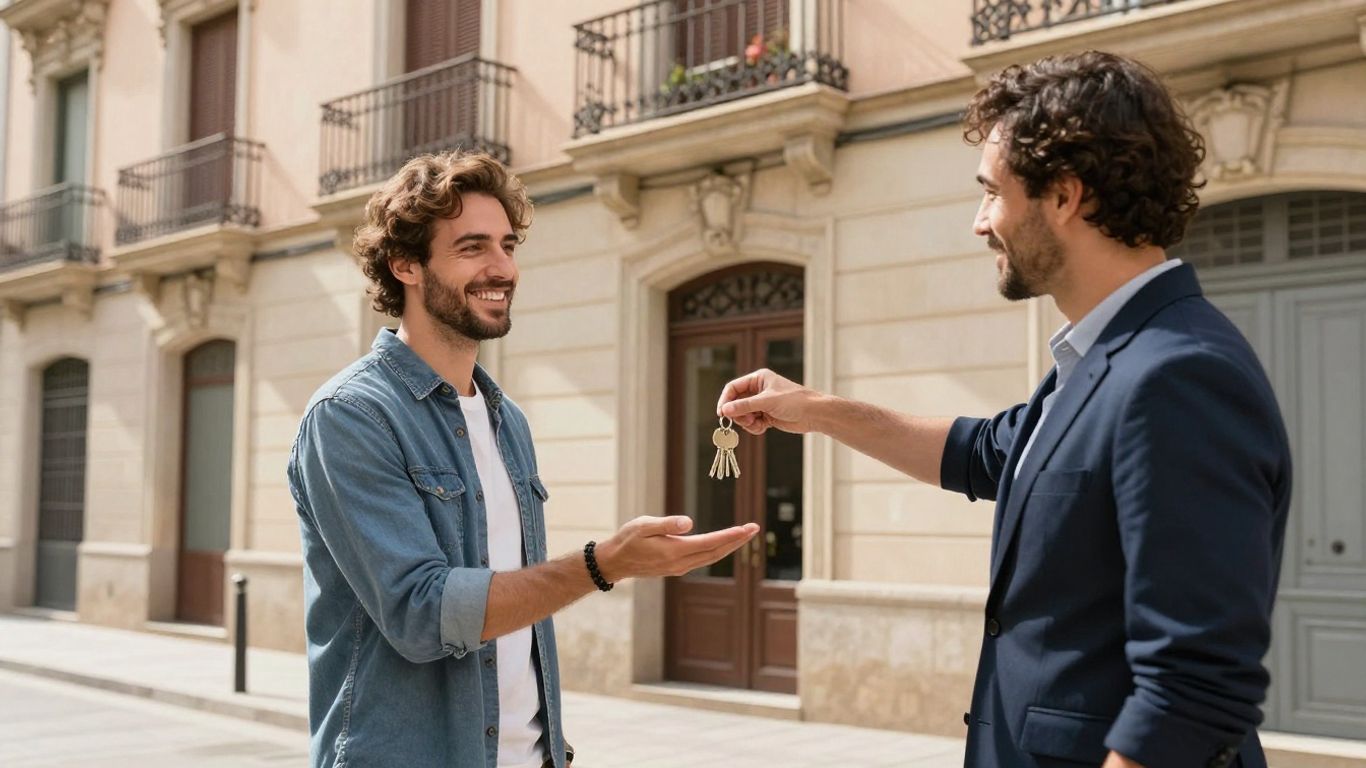
Buying a place in Barcelona can feel like a maze, especially if you’re not from around here. That’s where the pros come in. Having the right people in your corner can make all the difference between a stressful ordeal and a pretty straightforward process. Think of them as your guides through the whole thing.
The Role of a Real Estate Agent
A good real estate agent is your eyes and ears on the ground. They know the neighborhoods, understand the current market prices, and have access to listings you might not find on your own. They’re your first line of defense in finding properties that actually fit what you’re looking for and can help you avoid common pitfalls. They’ll schedule viewings, help you understand the local vibe of different areas, and are usually the ones handling initial negotiations with the seller or their agent. When picking one, look for someone with a solid history in Barcelona and who communicates well. It’s worth interviewing a few to find the best fit for your needs.
Engaging a Property Lawyer
This is non-negotiable. A property lawyer, or abogado, is there to protect your interests legally. They’ll go through all the paperwork with a fine-tooth comb, check for any hidden debts or legal issues attached to the property, and make sure the contracts are fair and clear. They’re the ones who will conduct the crucial legal due diligence, ensuring the property title is clean and that everything complies with Spanish regulations. Having a lawyer means you can buy with more confidence, knowing your investment is secure. They’ll also help you understand things like the contrato de arras (the preliminary deposit contract) and the final deed signing at the notary. You can find resources on property registration at registradores.org.
Considering a Property Hunter
Sometimes, especially if you’re buying from afar or have a very specific wish list, a property hunter can be a lifesaver. They work exclusively for you, the buyer, to find properties that match your exact criteria. They often have a deep network and can uncover off-market deals. While an agent might represent both buyer and seller, a property hunter’s loyalty is solely to you. They can save you a ton of time and legwork, especially if you’re not physically in Barcelona often. They’ll handle viewings, initial assessments, and can even help with the negotiation process, all while keeping your best interests at heart. This service can be particularly useful for those looking for unique properties or investment opportunities.
Hiring professionals isn’t just an extra cost; it’s an investment in a smoother, safer purchase. They handle the complexities so you can focus on the excitement of finding your new home.
Property Viewings and Inspections
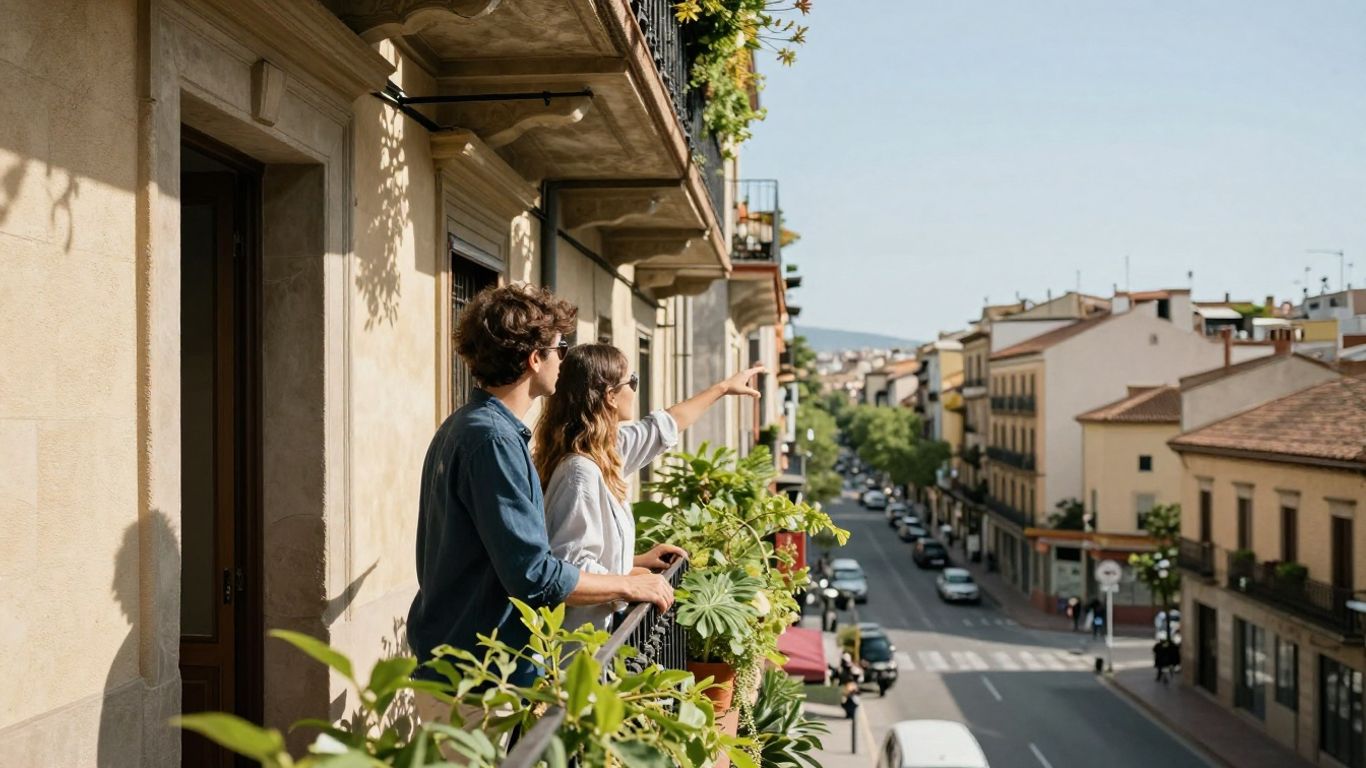
So, you’ve found a few places that look promising online. Now comes the fun part: actually seeing them in person. This is where you get a real feel for a property, beyond the photos and descriptions. It’s not just about the walls and floors, though; you’ve got to look at the whole picture.
What to Look for During Viewings
When you’re walking through a potential new home, try to be methodical. Think about how you’d actually live there. Does the layout make sense for your daily routine? Is there enough natural light, or will it feel gloomy even on a sunny day? Check out the condition of things like windows and doors – do they open and close smoothly? Listen for any strange noises from neighbors or outside. And don’t forget to look at the plumbing – run the taps, flush the toilet, and see how quickly the water drains. A slow drain can be a real headache down the line.
Here are a few things to keep an eye on:
- Natural Light: How much sun does the place get, and at what times of day?
- Layout Flow: Does the arrangement of rooms work for you?
- Condition of Fixtures: Check taps, toilets, light switches, and power outlets.
- Storage Space: Is there enough room for your belongings?
- Noise Levels: Listen for sounds from neighbors or the street.
The Importance of Independent Inspections
While you’re looking around, you’ll spot obvious issues. But what about the stuff you can’t see? That’s where an independent inspection comes in. It’s a good idea to hire a qualified professional, like a surveyor or a specialized inspector. They’ll go over the property with a fine-tooth comb, checking things like the structure, electrical wiring, plumbing systems, and the roof. They can spot problems that a regular buyer might miss, which could save you a lot of money and trouble later on. This report can be a real game-changer when you’re deciding whether to proceed or even when negotiating the price.
Assessing the Surrounding Neighborhood
Don’t just focus on the house itself. The neighborhood is just as important, if not more so. Think about what’s important to you. Is it close to public transport? Are there shops, parks, or schools nearby? What’s the general vibe of the area? Take a walk around at different times of the day, maybe even on a weekend, to get a better sense of the community and the local atmosphere. It’s worth checking out:
- Transport Links: How easy is it to get around?
- Local Amenities: Are shops, restaurants, and services convenient?
- Green Spaces: Are there parks or areas for recreation?
- Safety and Atmosphere: Does the area feel welcoming and secure?
- Future Development: Are there any planned construction projects nearby that might affect the area?
Remember, buying a property is a big decision. Taking the time to thoroughly view and inspect potential homes, along with their surroundings, will help you make a choice you’ll be happy with for years to come. It’s better to be a bit too careful now than to regret it later.
Thinking about seeing a new place? We make property viewings and inspections a breeze. Our team is ready to help you explore potential homes and ensure you know exactly what you’re getting into. Ready to find your dream home? Visit our website today to learn more and schedule your first viewing!
Wrapping It Up
So, buying a place in Barcelona. It’s a big deal, for sure. You’ve got the dream of owning a piece of this amazing city, but then there’s all the paperwork, the searching, and figuring out what’s what. It can feel like a lot, and honestly, sometimes it is. But with a bit of planning and maybe some help from folks who know the ropes, it doesn’t have to be a headache. Think of it as an adventure, and remember that finding your perfect spot here is totally doable. You’ve got this!
Frequently Asked Questions
Can someone from another country buy a house in Barcelona?
Yes, absolutely! Spain welcomes buyers from all over the world. There aren’t any special rules stopping foreigners from buying property. The main thing you’ll need is a special ID number for tax purposes, called an NIE. You can get this from the police or a Spanish consulate.
What are the extra costs besides the house price?
Besides the price of the house, you’ll have other costs. You’ll likely need a down payment, usually around 20% of the price. Then there are taxes, like property transfer tax or VAT, depending on if the house is new or used. Don’t forget fees for lawyers, notaries, and maybe a real estate agent, which can add up to a few extra percent.
How do I find a house in Barcelona?
Many people start by looking online on popular websites like Idealista or Fotocasa. These sites show you lots of homes. However, it’s also a great idea to work with a local real estate agent. They know the market well, can show you homes you might not find online, and help with the whole process.
What legal papers do I need to check?
Before you buy, it’s super important to check a few things. You’ll want to see proof that the seller legally owns the house and that there are no debts on it (this is called a ‘property registry extract’). Also, make sure the house is officially allowed to be lived in (‘occupancy certificate’) and check its energy use (‘energy certificate’).
What’s the first step after I find a house I like?
Once you find a place you love, you’ll usually make an offer. If the seller accepts, you’ll sign a preliminary contract, often called a ‘Contrato de Arras.’ This is where you typically pay a deposit, usually about 10% of the price, to officially reserve the house.
Should I hire a lawyer or agent?
It’s highly recommended! A real estate agent can help you find the right homes and negotiate prices. A lawyer is also very useful because they understand all the legal stuff, can check all the paperwork, and make sure everything is done correctly and safely for you.