Spain’s real estate market is changing. In 2026, buyers are looking for different things than before. It’s not just about size anymore; quality and where a place is located really matter. Plus, things like energy efficiency are becoming a big deal. If you’re thinking about buying property in Spain, understanding these shifts is super important. It’s a market that rewards smart choices and knowing the latest trends.
Key Takeaways
- Buyers in the spain real estate market are now prioritizing quality, thoughtful design, and better living experiences over just having more space.
- Established neighborhoods with good amenities and transport links are seeing strong demand, with buyers favoring these over developing areas.
- Energy efficiency and sustainable features are increasingly important, directly impacting a property’s value and appeal in 2026.
- The market is seeing more informed buyers making strategic decisions, often with a long-term view, whether for living or investing.
- While prices are expected to rise due to supply shortages, especially in key areas, potential buyers should be prepared for a strategic market rather than a frenzied one.
Navigating the Evolving Spain Real Estate Market
The Spanish property market in 2026 is really settling into a new groove. After a few years of ups and downs, things are looking more stable, but also more discerning. Buyers today aren’t just looking for any old place; they’re after something specific, something that offers real value and fits their lifestyle. It’s less about just getting more space and more about getting the right space.
Quality Over Quantity: A Shift in Buyer Priorities
Forget just chasing square meters. In 2026, people are really focusing on the quality of the living space. This means well-thought-out layouts that make sense for daily life, plenty of natural light, and materials that are built to last. Think homes that feel good to be in, not just big. This trend is definitely pushing up the prices for well-designed properties, whether you’re looking in a big city or a more established town.
Strategic Locations and Established Neighborhoods
Location is still king, no doubt about it. But now, buyers are leaning towards neighborhoods that are already set up with everything they need. We’re talking about areas with good transport links, places with shops, restaurants, and parks nearby, and a generally pleasant atmosphere. Instead of looking at brand-new developments that are still figuring themselves out, people prefer the comfort and convenience of established communities. Cities like Madrid, Barcelona, and Málaga are seeing a lot of this demand.
Homes Designed for Enhanced Living Experiences
The idea of what a ‘home’ is has changed quite a bit. People want spaces that can adapt to different needs. Think about flexible rooms that can be an office one day and a guest room the next, or outdoor areas like terraces and balconies that extend your living space. The separation between areas for relaxing and areas for working or entertaining is also becoming more important. It’s all about creating a home that truly supports how you live.
The market is moving towards properties that offer a better quality of life, with buyers prioritizing well-located homes that are designed for comfort and functionality. This shift means that properties with thoughtful design and in desirable, established areas are likely to hold their value well.
Key Trends Shaping Property Values in 2026
Alright, let’s talk about what’s really moving the needle in Spain’s property market this year, 2026. It’s not just about location anymore, though that’s still a big deal. We’re seeing some pretty clear shifts in what buyers are looking for, and that’s directly impacting how much homes are worth.
Energy Efficiency and Sustainability as Core Value Drivers
This one’s huge. Forget just having solar panels; we’re talking about homes that are genuinely built to be efficient. Think top-notch insulation, smart heating and cooling systems, and good energy ratings. Properties with high energy efficiency (like A or B ratings) are not just easier to sell, they’re commanding a noticeable premium. It’s not just about saving money on bills, though that’s a big plus. People are thinking about the long game – resale value and just generally doing their bit for the planet. Banks are even offering better mortgage rates for these greener homes, which is a pretty solid incentive.
- Reduced running costs: Lower electricity and gas bills month after month.
- Increased property value: Higher demand means better appreciation.
- Future-proofing: Meeting upcoming environmental regulations.
- Access to green mortgages: Potentially lower interest rates from lenders.
The push for sustainability isn’t just a trend; it’s becoming a standard expectation. Homes that ignore this are starting to feel the pinch, with older, less efficient properties facing what some are calling a “brown discount.”
The Rise of the Informed and Strategic Property Buyer
People today are doing their homework. They’re not just walking into an open house and falling in love with the first thing they see. Buyers in 2026 are coming in with clear ideas about what they want, how much they can spend, and what their long-term goals are. Whether it’s a place to live, a holiday spot, or an investment, they’re making calculated decisions. This means sellers and agents really need to have their facts straight and present properties honestly. It’s less about a quick sale and more about finding the right fit.
Luxury as a Safe Haven in a Volatile Market
When things feel a bit uncertain economically, people tend to put their money into things they see as solid and reliable. In the Spanish property market, that often means high-end properties in desirable locations. Think prime spots on the coast or in sought-after city districts. These places tend to hold their value well, even when the broader market gets a bit shaky. They attract buyers who have the means and are looking for a secure place to park their wealth, making them a bit of a safe bet.
Understanding Market Dynamics and Demand
The Spanish property market in 2026 is really settling into a more mature phase. After a few years of ups and downs, things are looking more stable, but that doesn’t mean it’s simple. We’re seeing prices keep going up, mostly because there just aren’t enough homes to go around, especially in certain areas. This supply shortage is a big deal and it’s pushing values higher. Plus, more people are looking to buy, which keeps demand strong. It feels like a market where you really need to know what you’re doing to get the best deal.
Sustained Value Appreciation Amidst Supply Deficits
It’s pretty clear that property values in Spain are expected to keep climbing. This isn’t just a guess; it’s backed by the fact that there’s a persistent lack of available homes. Think about it: when lots of people want to buy but there aren’t many properties for sale, prices naturally go up. This has been happening, and the trend is expected to continue. The market closed 2025 with some pretty significant price jumps, and that momentum is carrying into the new year. We’re seeing national averages rise, but some cities are really leading the pack with double-digit growth. This situation means that while it’s good news for sellers, buyers might find themselves competing for limited stock.
- National Average Price Increase (Late 2025): +13.1% year-on-year
- Q4 2025 Quarterly Rise: +3.5%
- Leading Cities (Late 2025): Madrid (+20.9%), Valencia (+17.5%), Santa Cruz de Tenerife (+15.4%), Málaga (+13.4%)
The scarcity of ready-to-move-in properties is a defining characteristic as we enter 2026. This isn’t just a temporary blip; it’s a structural issue influencing market behavior and price trends significantly.
Robust Demand in Shortage Provinces
Demand for housing isn’t just strong everywhere; it’s particularly robust in provinces that are already facing a shortage of homes. Places like Madrid, Barcelona, Valencia, Alicante, and Málaga are seeing a lot of interest. This is partly due to ongoing population growth and more households being formed. Even with financing conditions being relatively okay, the sheer number of people looking to buy in these popular areas, combined with limited supply, creates a really active market. It’s a cycle where demand fuels price increases, and those higher prices, in turn, can sometimes push more people towards renting, further tightening the sales market. The outlook for residential property demand over the next year remains positive, especially in these key areas The Spanish real estate market is projected to see continued price increases and sustained demand over the next three to five years, with an upward trend anticipated from early 2026 onwards..
The Impact of Demographic Shifts on Housing Prices
Demographics are playing a bigger role than ever in shaping housing prices. We’re seeing shifts in population and household formation that directly influence how many homes are needed and where. Young professionals, for instance, are a growing segment, and their ability to afford a home is a key factor. Then there are international workers and expats who are relocating for jobs, adding to the demand. Even families are sometimes opting for flexibility over ownership, especially if the economic outlook feels a bit uncertain. These different groups have varying needs and preferences, but collectively, they are putting pressure on the housing supply, particularly in urban centers and desirable residential areas. This demographic push is a significant driver behind the sustained demand we’re observing across the country.
Investment Opportunities and Market Outlook
The Spanish property market in 2026 is shaping up to be a year of steady growth and strategic opportunities, especially for those looking to invest. After a period of rapid activity, things are settling into a more predictable rhythm. The main story? A persistent shortage of homes means prices are likely to keep climbing, but at a more measured pace than we saw recently. This supply deficit is the bedrock of value appreciation for property owners. For investors, this means well-chosen properties are pretty safe bets against depreciation.
Prime Coastal Performance and Expatriate Hubs
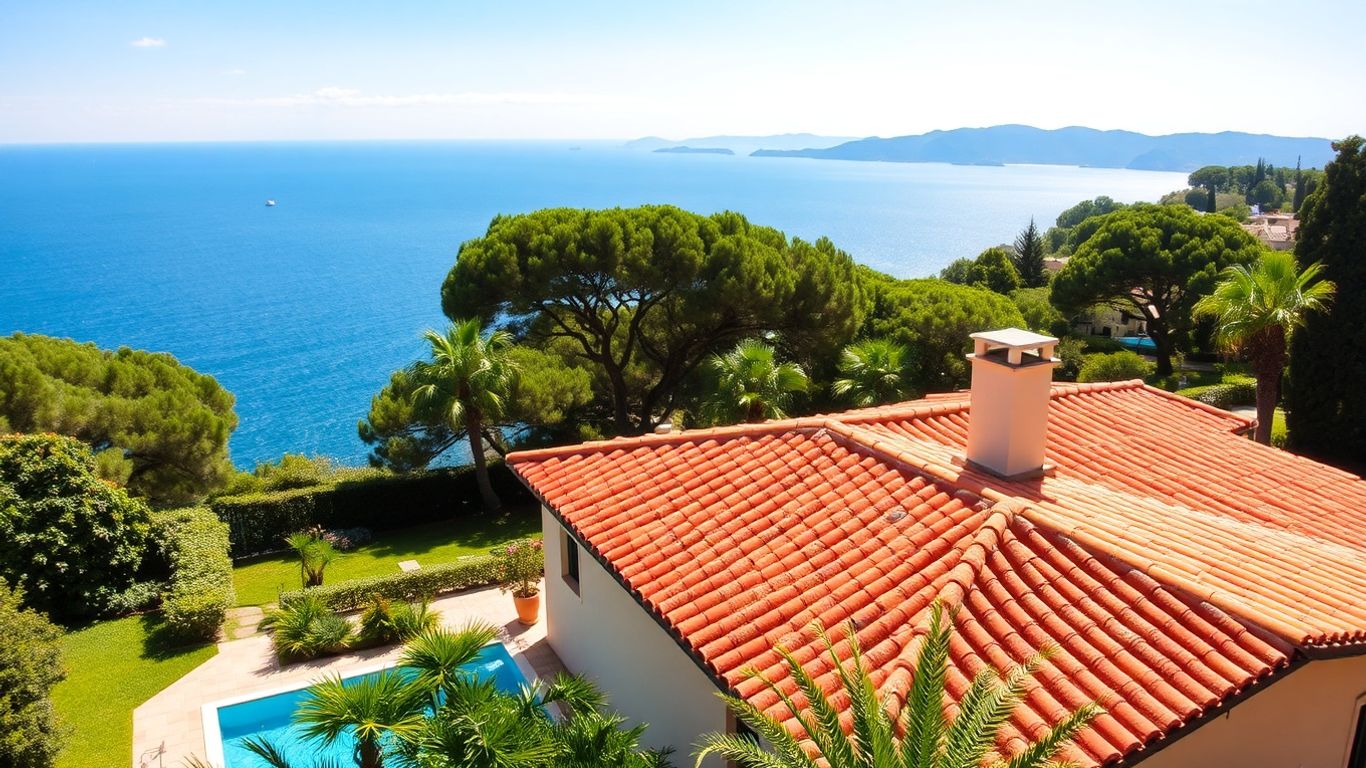
Areas popular with international buyers, like the Costa del Sol and Costa Blanca, are expected to continue their strong performance. Think places like Marbella, Estepona, Jávea, and Moraira. These spots are seeing prices rise faster than the national average, often between 5% and 9%. Why? They’re becoming more than just holiday destinations; with more people working remotely, these areas are turning into year-round homes for many from Northern Europe. This consistent demand from abroad helps keep properties liquid and values strong. The Balearic Islands, like Mallorca and Ibiza, are a bit different – they’re almost like their own market, similar to the French Riviera. With very little new building happening there, the existing luxury homes are highly sought after, and prices are holding firm. It’s a good place for preserving wealth.
Long-Term Rental Demand Growth
If you’re thinking about rental income, 2026 looks promising. The same shortage of homes that’s pushing up sale prices is also keeping rental prices high, particularly in major cities. Competition for long-term rentals is fierce. This situation is actually making buying a property to rent out quite attractive. With interest rates stabilizing, the monthly cost of a mortgage is becoming competitive with, or even cheaper than, renting. For tenants who have the funds for a deposit, now might be the time to switch from paying rent to owning an asset that could increase in value. This trend is particularly noticeable in cities with strong job markets and growing populations.
Navigating Potential Market Downturn Scenarios
While the overall outlook is positive, it’s always smart to consider what might happen if things take a turn. The market in 2026 is less about speculative buying and more about real demand meeting limited supply. This fundamental difference makes it more resilient than in past cycles driven by easy credit. However, unexpected economic shifts could still impact the market. For instance, a sudden rise in interest rates or a significant slowdown in the global economy could affect buyer confidence.
The key to weathering any potential downturn lies in strategic purchasing. Focusing on properties in desirable locations with strong rental demand, and prioritizing homes with good energy efficiency, will provide a buffer. These types of properties tend to hold their value better and attract tenants or buyers more readily, regardless of broader market conditions.
For buyers, hesitating too long can mean missing out on a good deal or facing higher prices later. It’s a market where being prepared and acting decisively, but wisely, is important. The Spain real estate market is projected to grow, but understanding these nuances will help you make the best choices.
Future Development and Regulatory Landscape
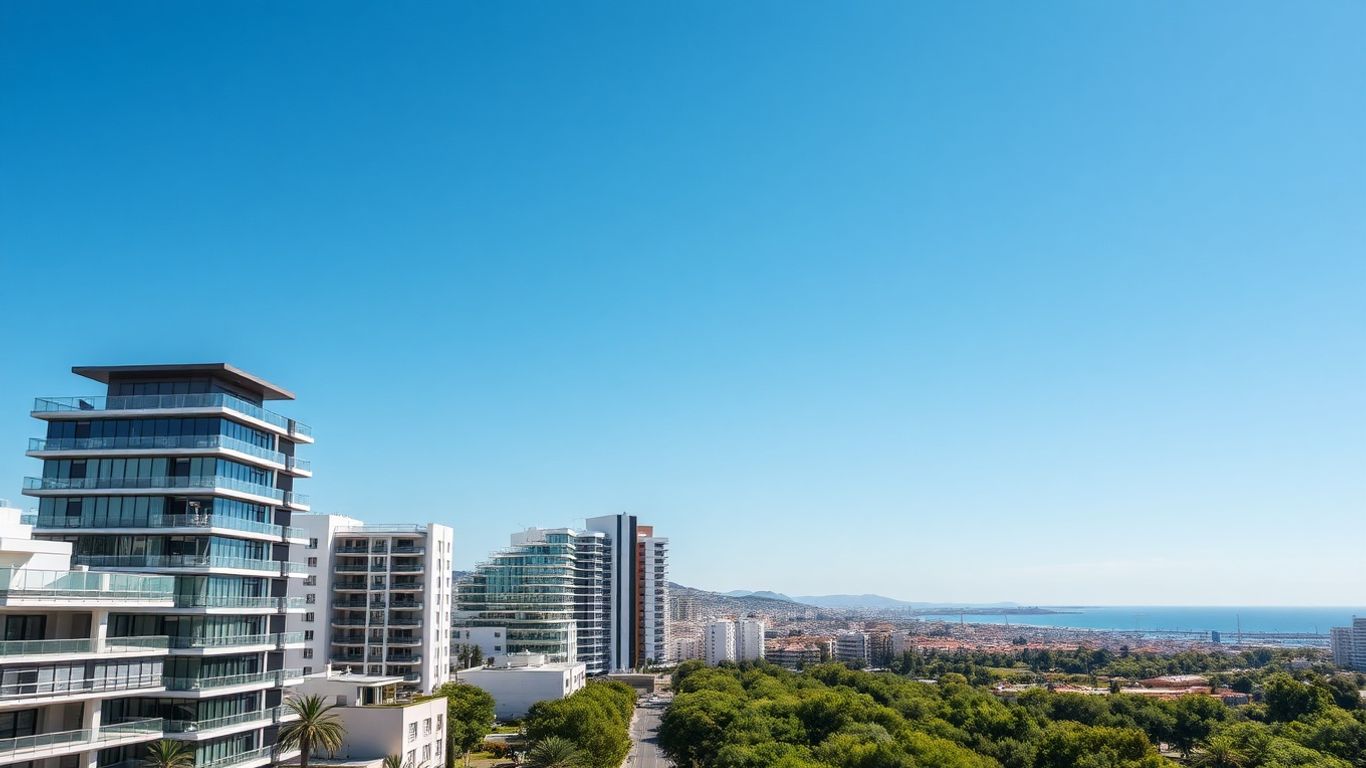
Looking ahead to 2026, the Spanish property scene is shaped by both ambitious urban projects and evolving rules. Big developments are changing city skylines, and new regulations could influence who buys property and where.
Major Development Projects Influencing Urban Landscapes
Several large-scale projects are set to redefine Spain’s urban areas over the next few years. Madrid is seeing the massive Madrid Nuevo Norte development, which will add thousands of homes and commercial spaces. Barcelona’s La Sagrera district is undergoing a significant transformation centered around a new transport hub. Valencia continues its urban growth, and Malaga is upgrading its infrastructure to support its booming tech and expat communities. These projects aren’t just about new buildings; they’re about creating new centers of activity and improving quality of life.
- Madrid Nuevo Norte: A major urban regeneration project.
- La Sagrera, Barcelona: Redevelopment around a new intermodal station.
- Malaga’s Infrastructure: Enhancements for a growing population.
These developments are designed to meet the increasing demand for modern living and working spaces, often incorporating green building principles and improved connectivity.
Potential Restrictions on Foreign Buyers and Second Homes
One of the biggest question marks for the Spanish property market in 2026 is the potential for new rules affecting foreign buyers and those looking to purchase second homes. There’s been talk of significant changes, including a possible 100% tax on purchases by non-EU citizens. Such a move could really cool down demand in popular coastal and island areas that rely heavily on international buyers. It’s something investors and potential buyers need to keep a close eye on. The government is looking at ways to manage the housing market, and these regulations are a key part of that discussion. It’s important to stay informed about these potential shifts, especially if you’re considering buying property in Spain as a non-resident. You can find more information on current regulations regarding short-term rentals, which are also seeing changes, at short-term rental regulations.
The interplay between large-scale urban development and regulatory changes creates a dynamic market. While new projects promise modern living and economic growth, potential policy shifts require careful consideration by all market participants, particularly those from outside the EU or looking for holiday homes.
Looking ahead, we’re keeping a close eye on how new rules and upcoming changes might affect things. We’re committed to staying ahead of the curve and making sure our services are always up-to-date. Want to learn more about what’s next and how it could help you? Visit our website today for the latest updates and insights!
Wrapping It Up: Your 2026 Spanish Property Outlook
So, looking at everything for 2026, Spain’s property market seems pretty solid. It’s not the wild rush of a few years back, but more of a steady climb. People are really focusing on quality homes in good spots, and places that are energy-efficient are a big plus. It feels like buyers are smarter now, doing their homework before jumping in. For anyone thinking about buying, whether it’s for living or investing, being prepared and knowing the local scene is key. It’s a market that rewards careful planning and understanding what truly makes a property valuable in the long run.
Frequently Asked Questions
What’s the biggest change buyers are looking for in Spanish homes now?
People aren’t just searching for the biggest house anymore. They really care about how well it’s built, how smart the layout is, and if it has lots of natural light. Think quality and comfort over just having more space.
Are energy-efficient homes more popular in Spain?
Absolutely! Homes that save energy are a huge deal now. They have good insulation and modern heating and cooling. Not only do they save money on bills, but they also increase the home’s value, making them a smart choice for buyers in 2026.
Where are the best places to buy property in Spain right now?
Established neighborhoods in big cities like Madrid, Barcelona, and Málaga are still very popular. Buyers like areas that already have lots of shops, good transport, and fun things to do. Coastal spots where many foreigners live are also doing really well.
Is it still a good time to invest in Spanish real estate?
Yes, especially if you’re smart about it. There aren’t enough houses being built for everyone who wants one, which helps keep prices steady. Areas with lots of people moving in, like major cities and popular coastlines, are showing strong potential for growth.
What’s happening with renting out properties in Spain?
Renting out homes for the long term is becoming more popular. Because buying a house is getting harder for some, more people are choosing to rent. This means there’s a good chance for owners to find renters, especially in busy city areas.
Could new rules affect foreigners buying homes in Spain?
There’s talk about possible new rules that might make it harder or more expensive for people from outside the EU to buy property, especially second homes. This is something to watch, as it could change how many foreign buyers are active in certain areas.